Our own film

Case film

Latest cut · 20 Nov 2026Work in progress

The film

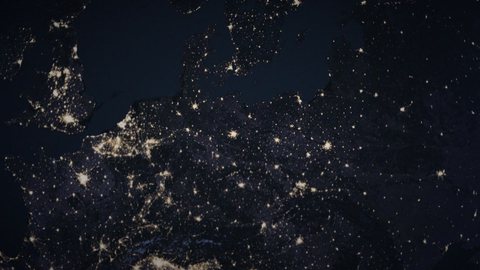
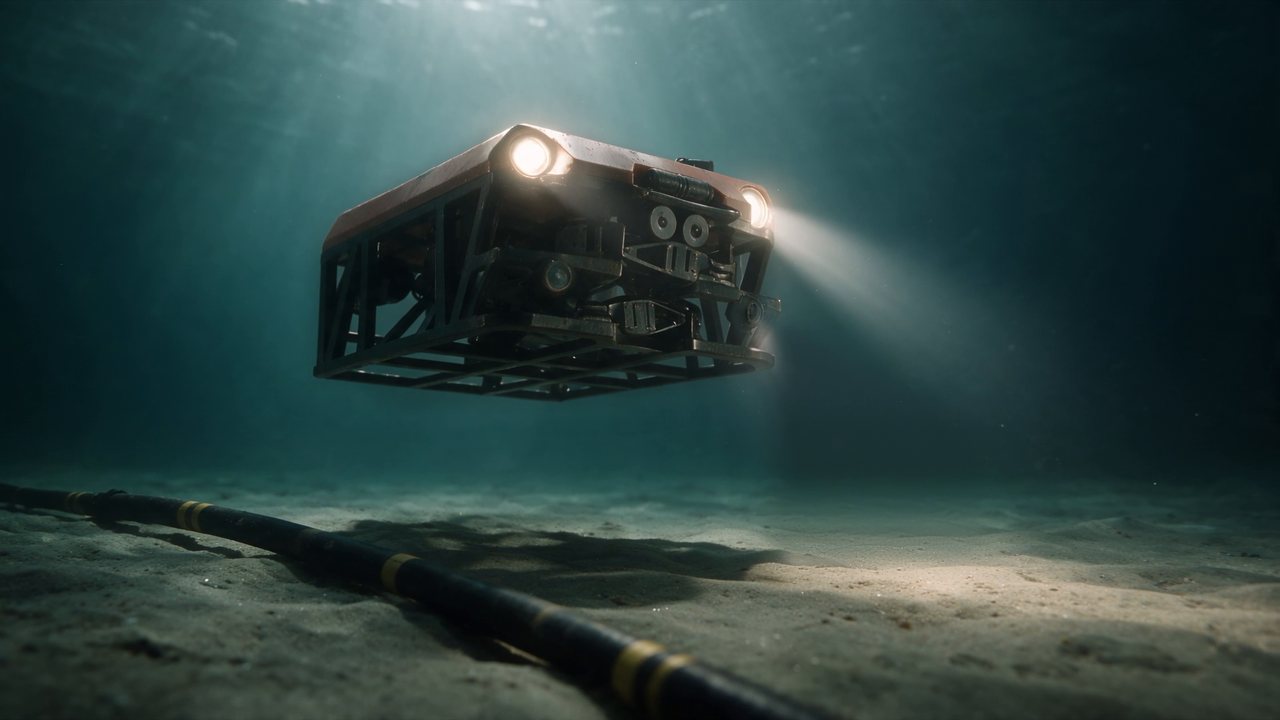
Our own demo film, made with the LØPELD engine. One camera move from space, down to a subsea power cable off the Blekinge coast, and back up into the morning.

The best engineering lives where no one sees it. This is how we show it.

Client
LØPELD (own film)
Format
16:9, 1080p, 57 s
Year
2026
Disciplines
Story, 3D, AI imagery and video, edit, sound design, voice

How we made it

The better it is, the quieter it gets.

01The story first

Every film starts as a story, not a shot list. Five beats: the world, the coast, under the surface, the product, the light.

We drew every frame before anything was rendered, so each shot had one job.

Storyboard · the first board17 frames
Storyboard: the Earth at night
01
Storyboard: Europe’s city lights from orbit
02
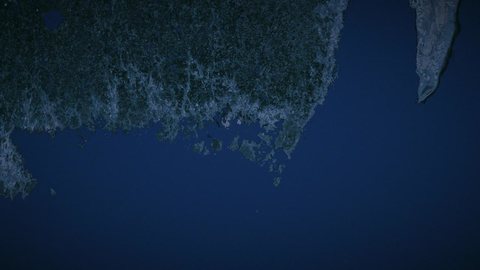
Storyboard: the coast from above
03
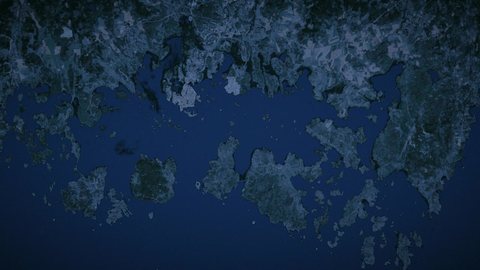
Storyboard: the archipelago from above
04
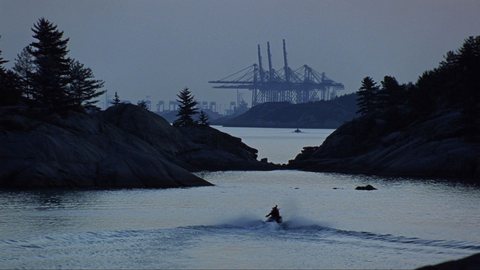
Storyboard: cranes at dusk beyond the skerries
05
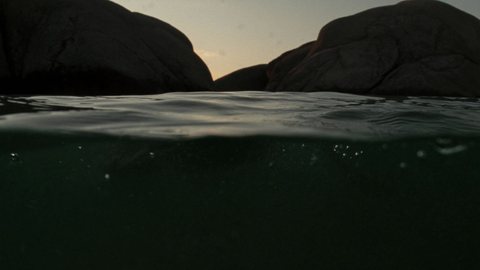
Storyboard: the camera at the waterline
06
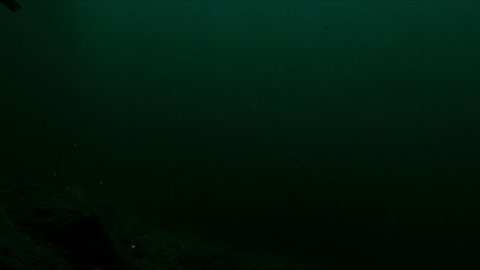
Storyboard: dark green water
07
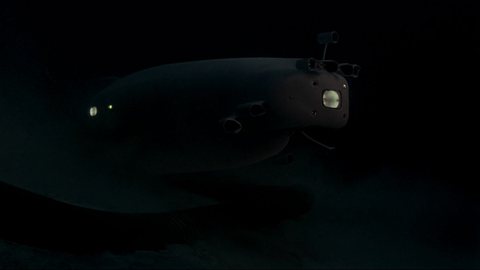
Storyboard: a vehicle in near darkness
08
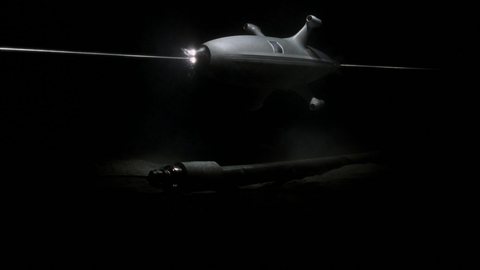
Storyboard: a vehicle over the seabed
09
Storyboard: the vehicle as a wireframe
10
Storyboard: the vehicle in clay
11
Storyboard: the vehicle in a studio
12
Storyboard: the vehicle finished in metal
13
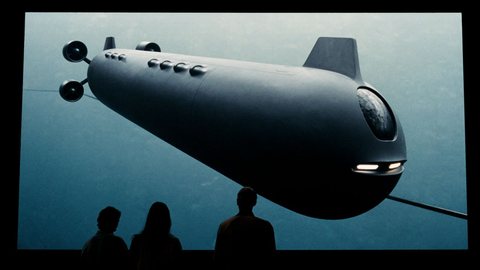
Storyboard: the vehicle seen by an audience
14
Storyboard: the vehicle lit underwater
15
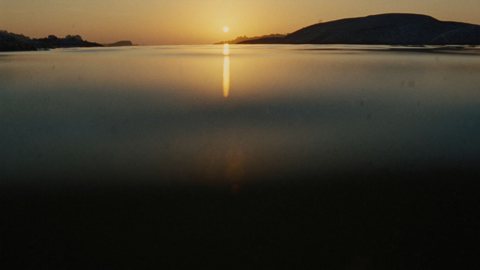
Storyboard: sunrise over the water
16
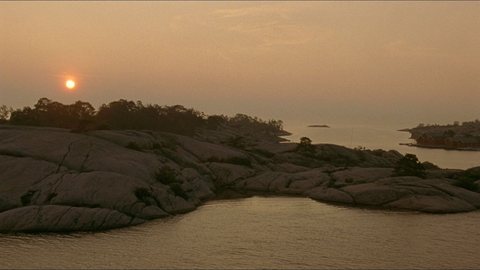
Storyboard: morning over the granite
17

Storyboard · under the surface10 frames
Storyboard: sinking past the granite into the deep
01
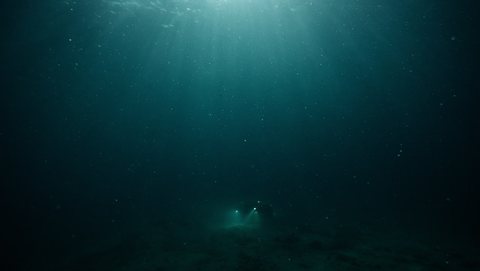
Storyboard: two small lights far below
02
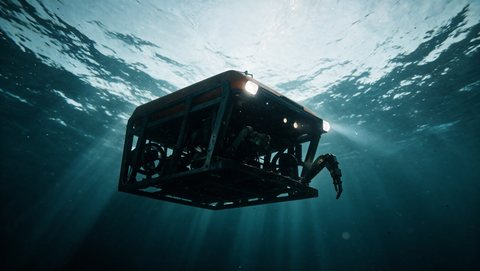
Storyboard: the vehicle revealed from below
03
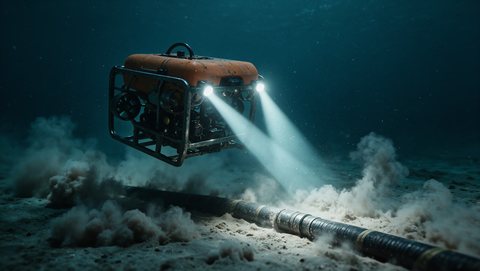
Storyboard: beams on the cable, silt rising
04
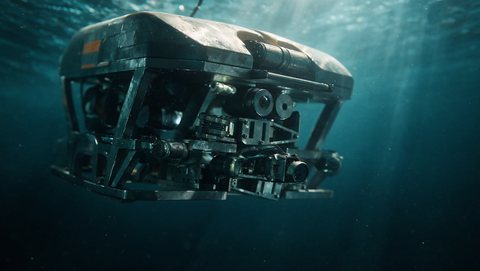
Storyboard: close on the vehicle
05
Storyboard: following the cable
06
Storyboard: rising toward the sunlit surface
07
Storyboard: breaking the surface into a new morning
08
Storyboard: low over the water as the sun comes up
09
Storyboard: the archipelago at sunrise
10

02Real geography

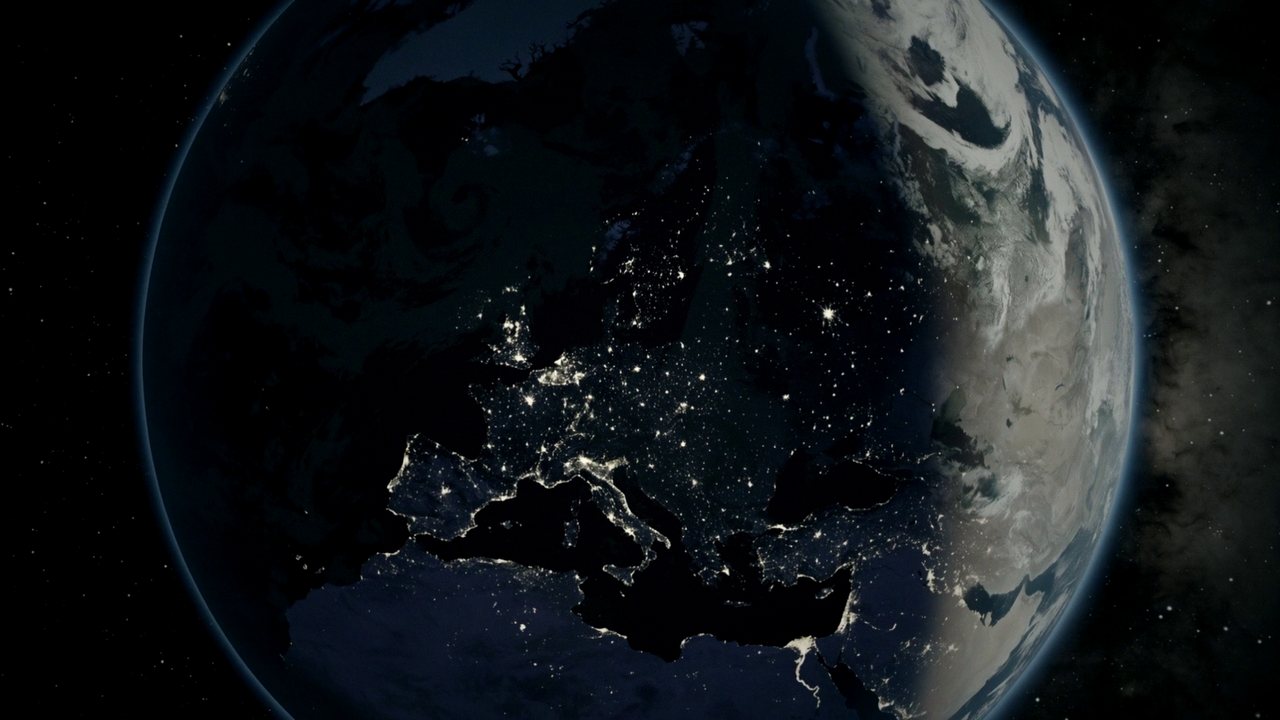
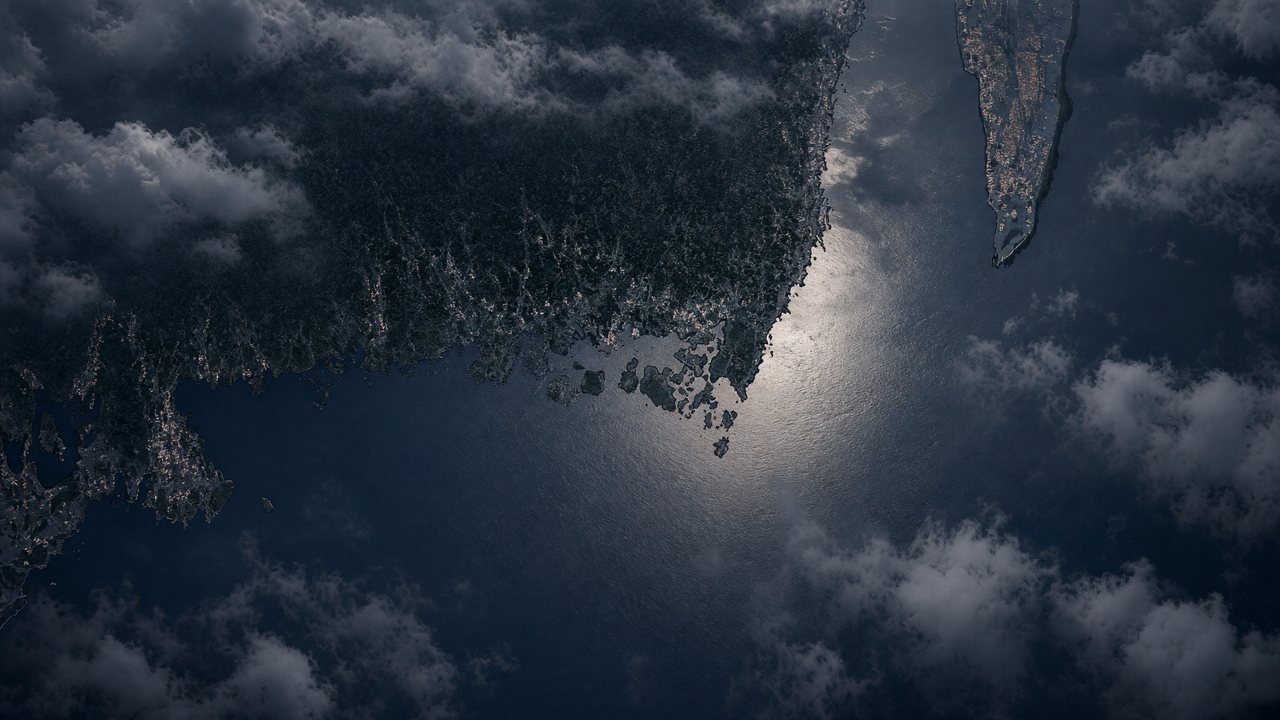
The opening is rendered from real NASA satellite data: the night lights of Europe, cloud cover from a real day, the true coastline of Blekinge.

Then it is finished by hand, shot by shot, all the way down to the water.
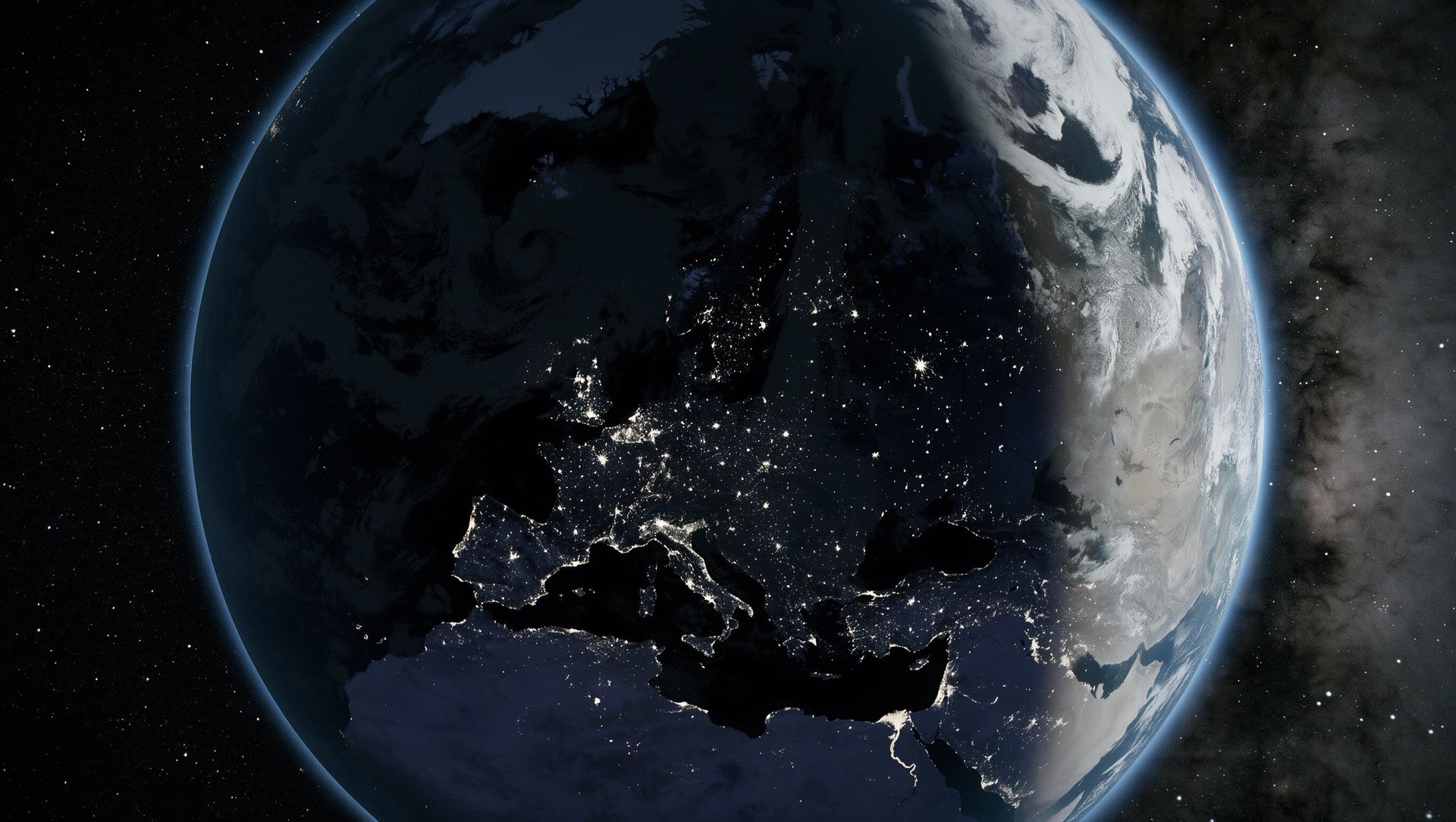
The Earth at night from space, Europe in city lights

The Earth at night · NASA data01

Europe’s city lights from orbit
Europe at night02
The Blekinge coastline seen from above through thin cloud
The coast from above03
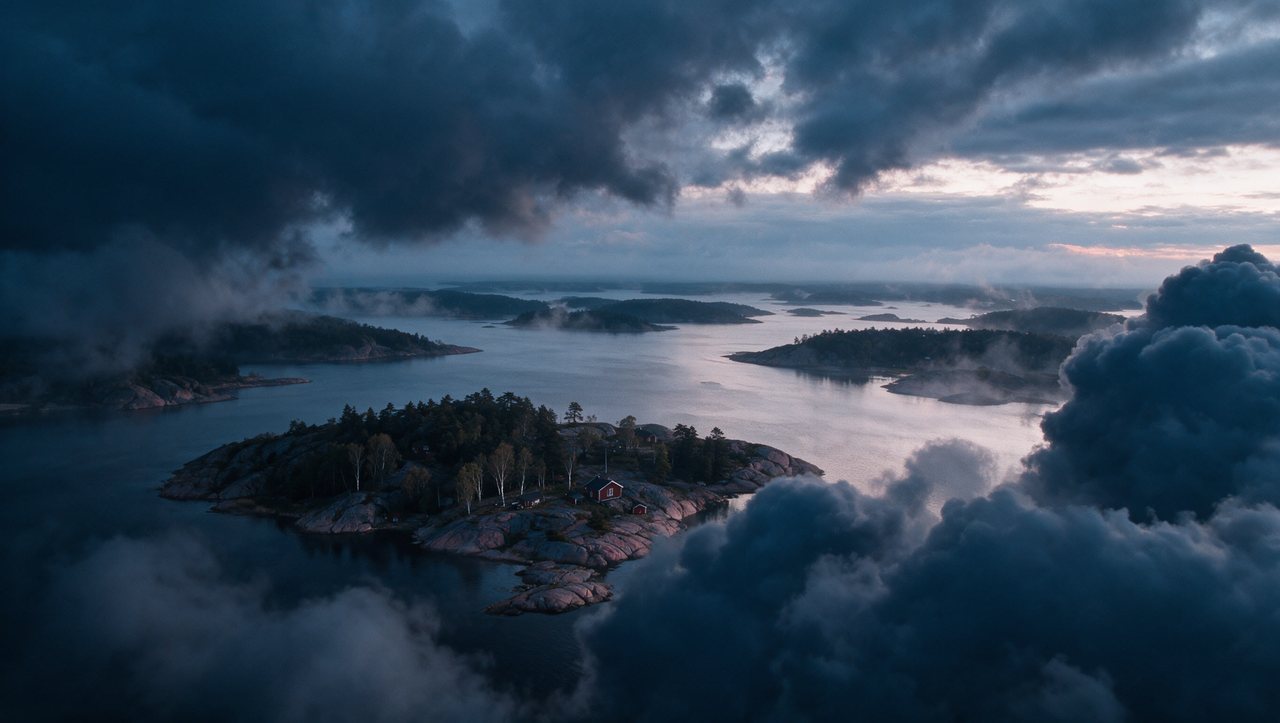
The archipelago opening up beneath breaking clouds
The cloud break04
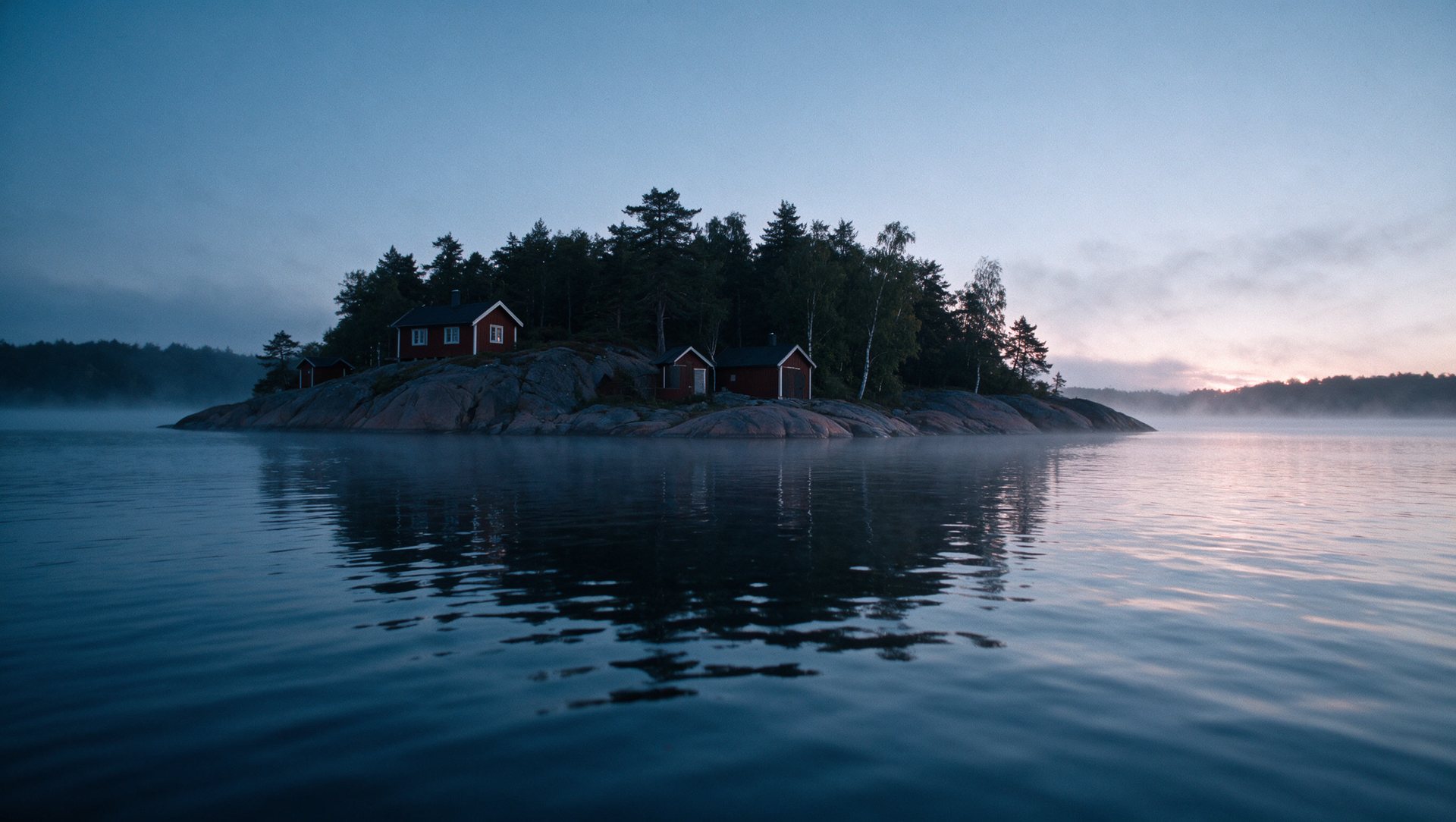
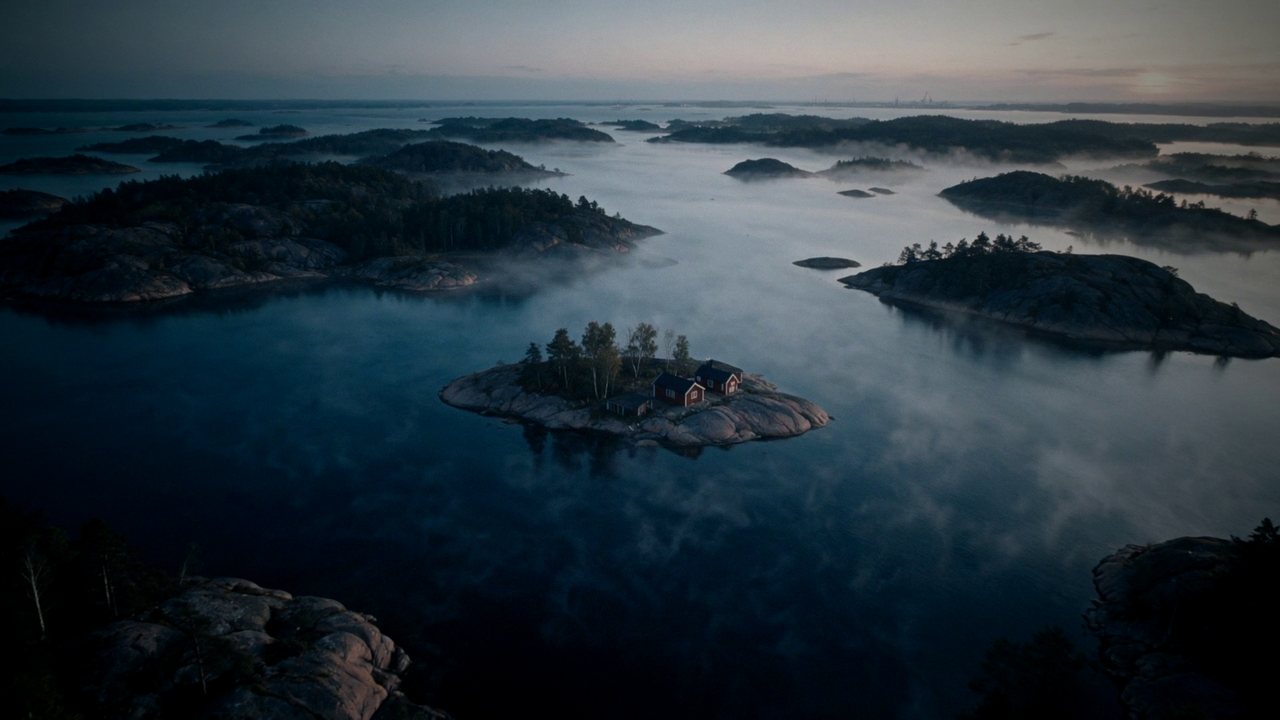
An island with red cottages in the blue before dawn
The cottage island05
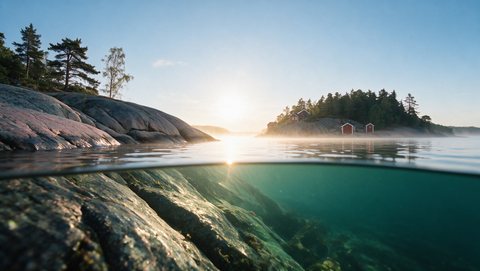
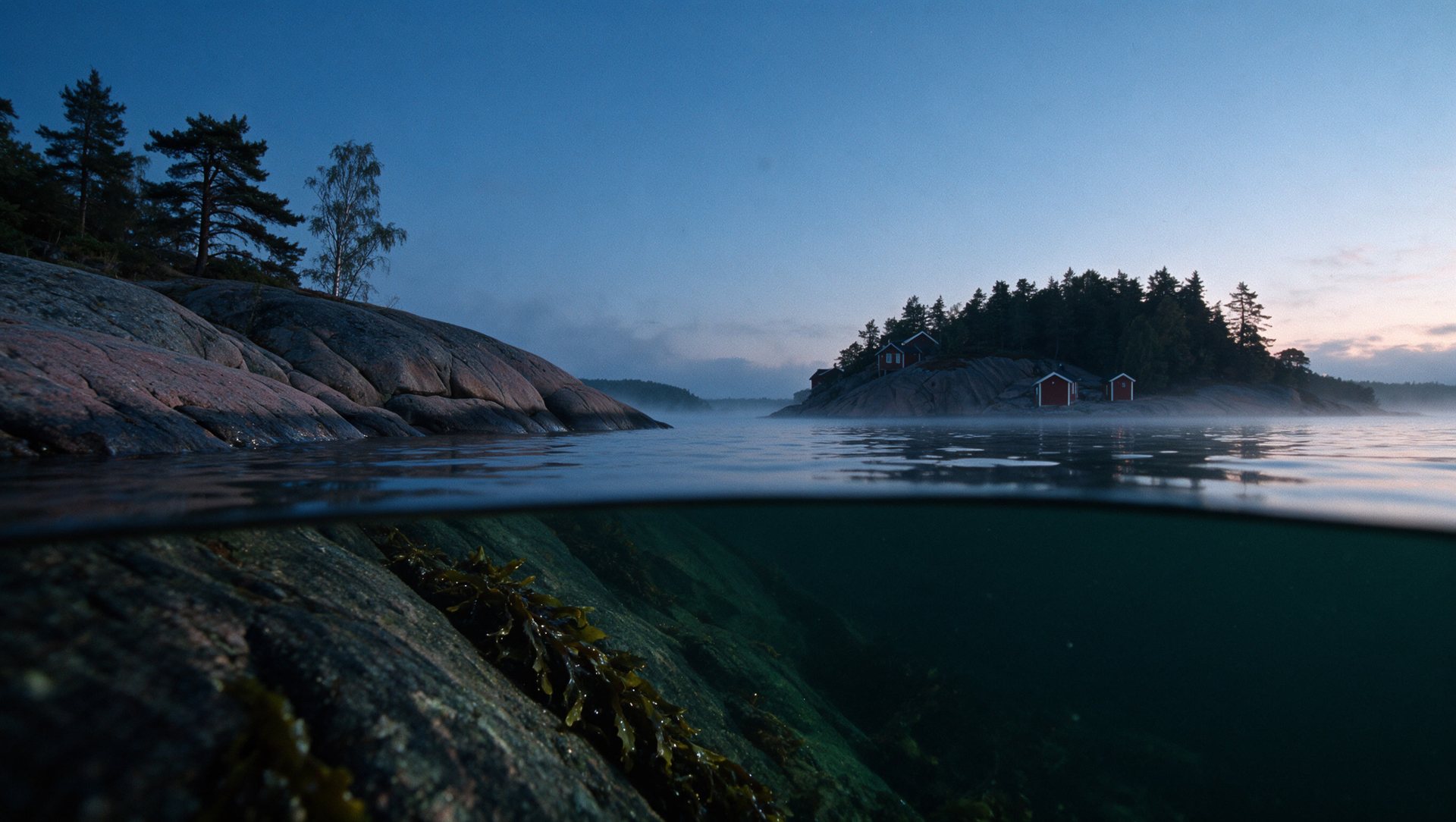
The camera at the waterline, half sky and half sea
The plunge06

03The product in 3D

A 3D model of the vehicle is the single source of truth. Here it is a licensed model standing in for a client’s product.

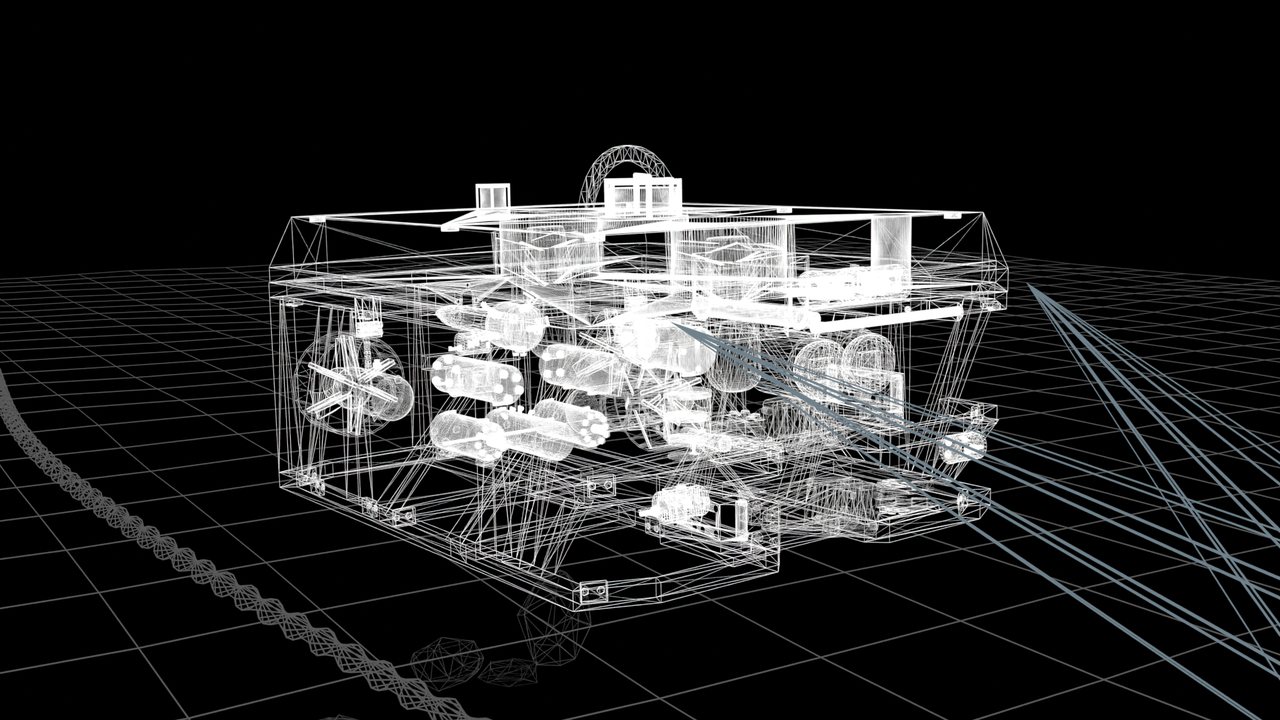
One camera move, rendered as wireframe, shaded and clay, so every later image has something exact to answer to.
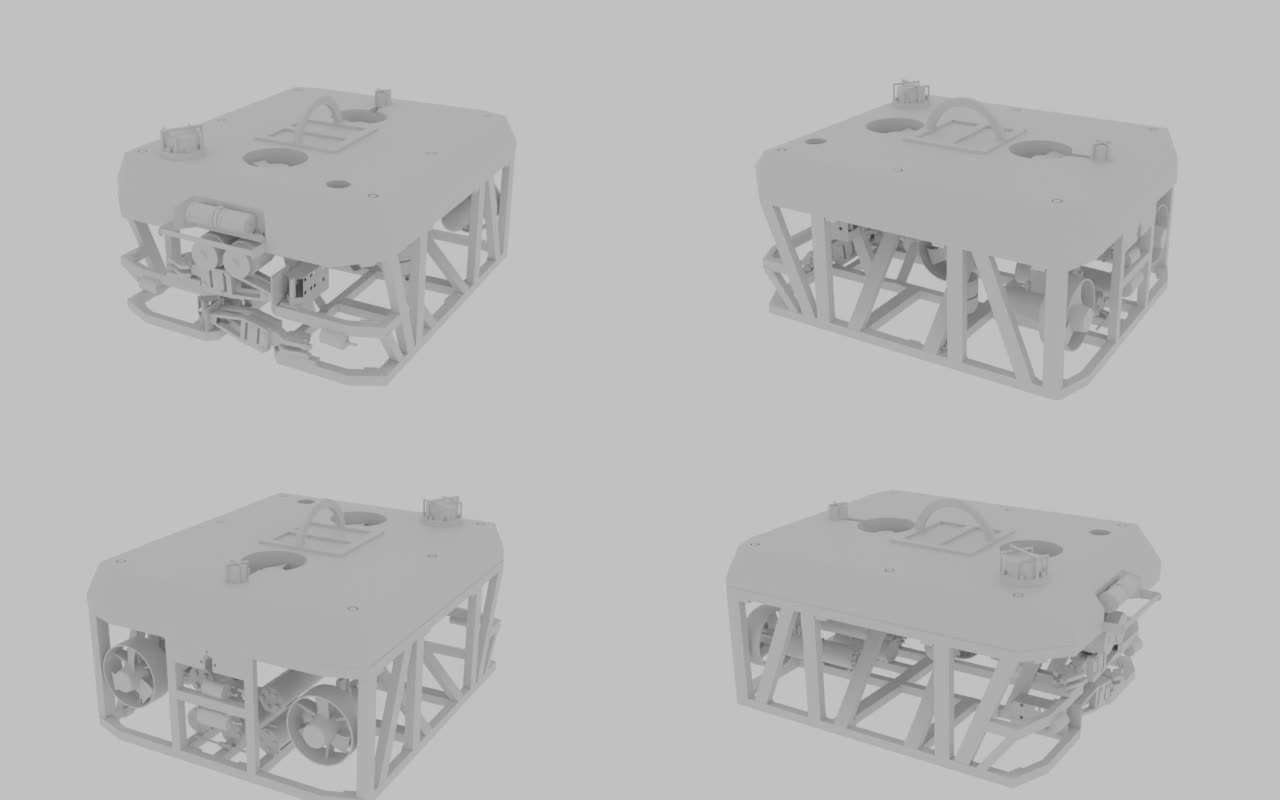
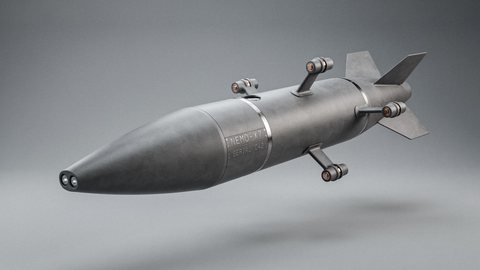
The vehicle in clay, seen from four angles
Clay turnaroundFour views
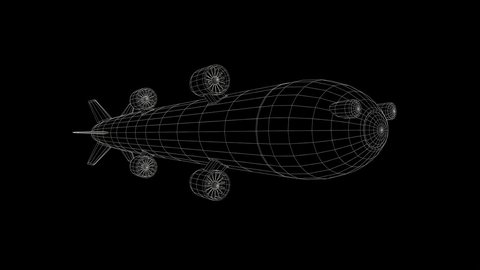
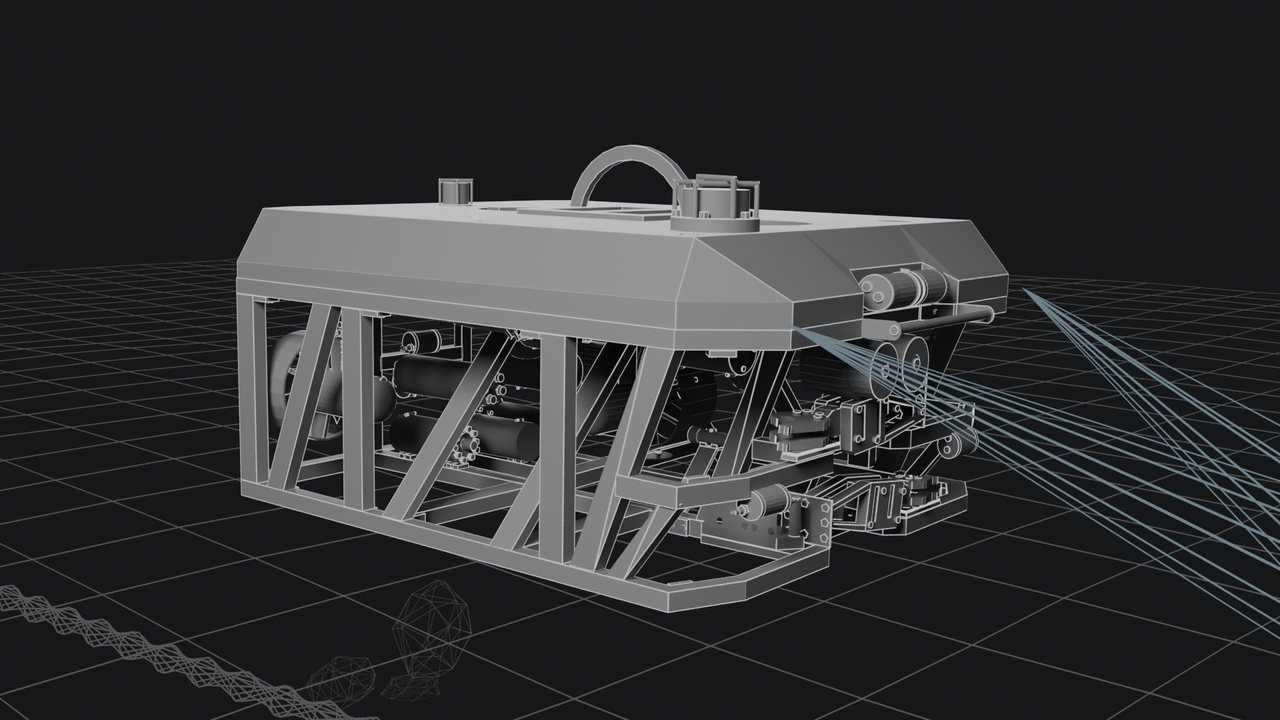
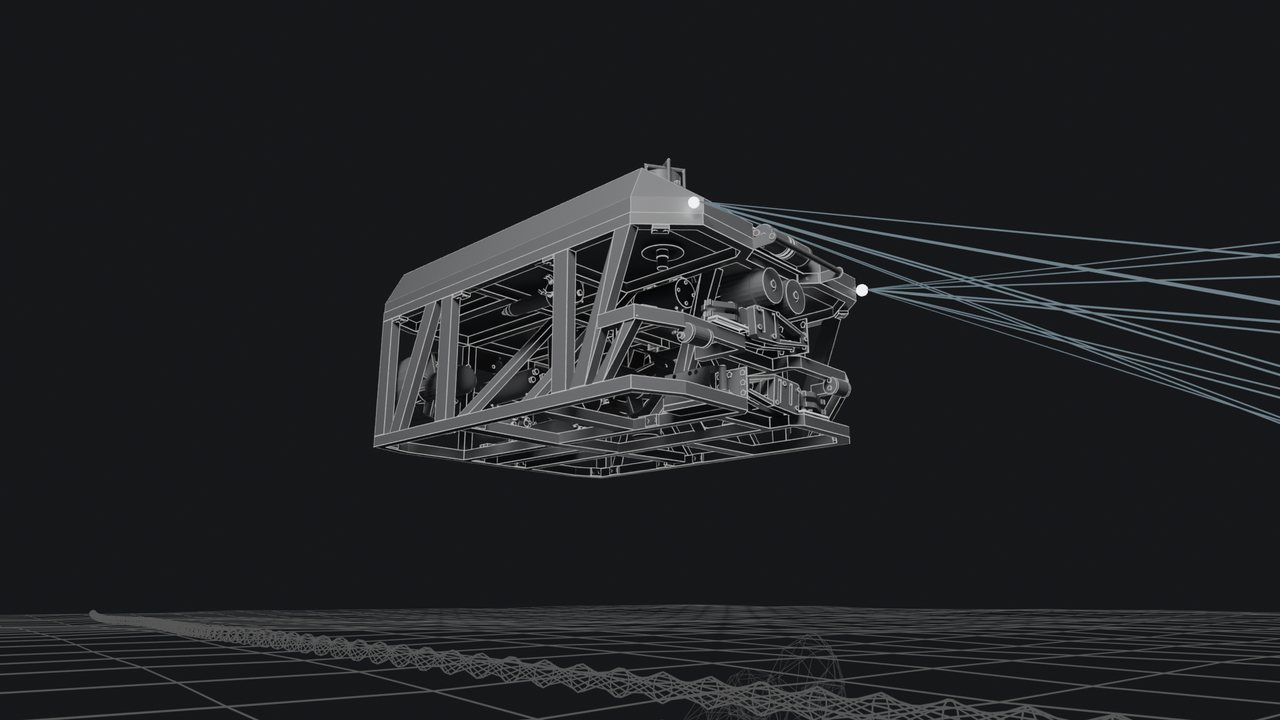
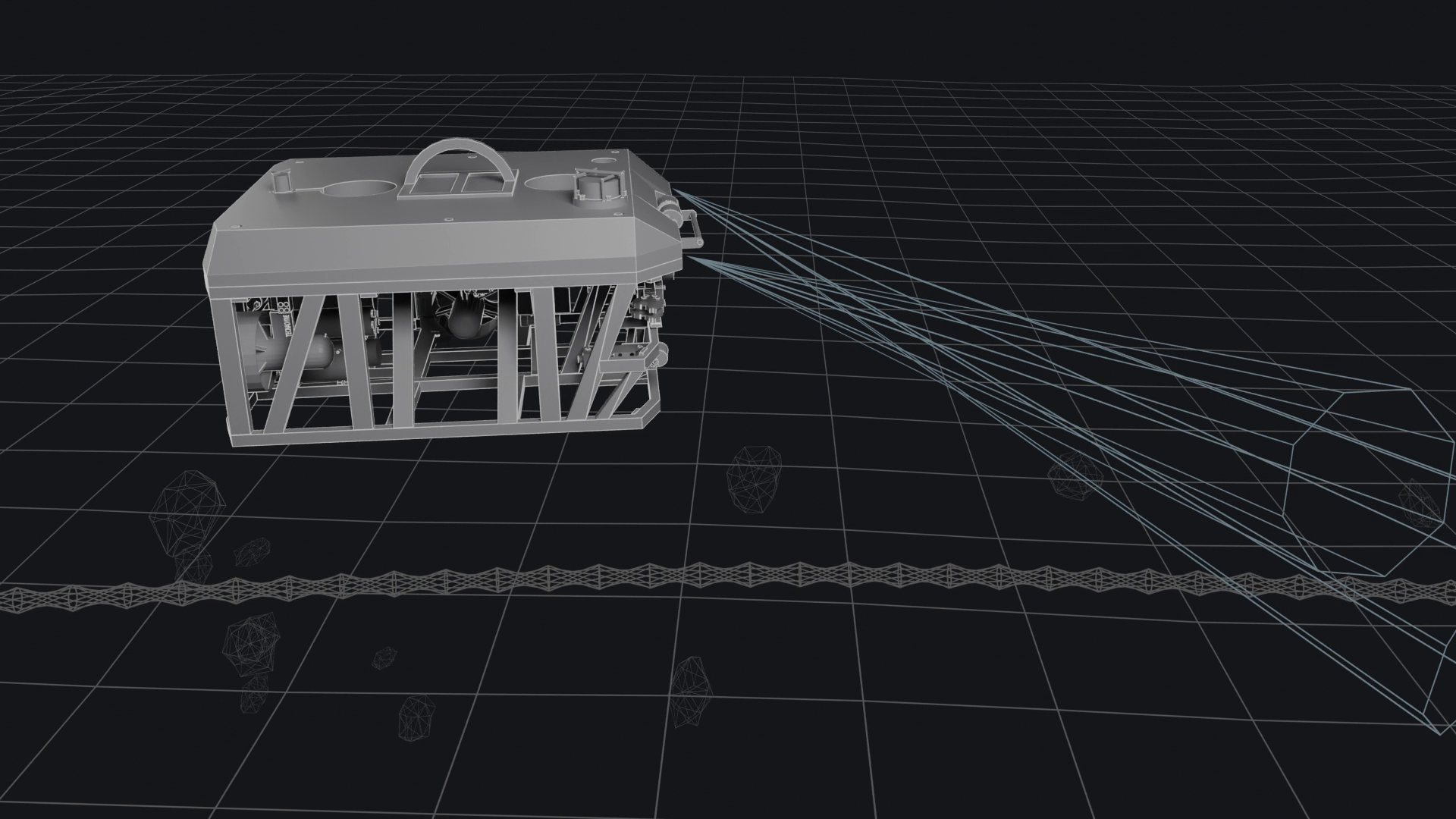
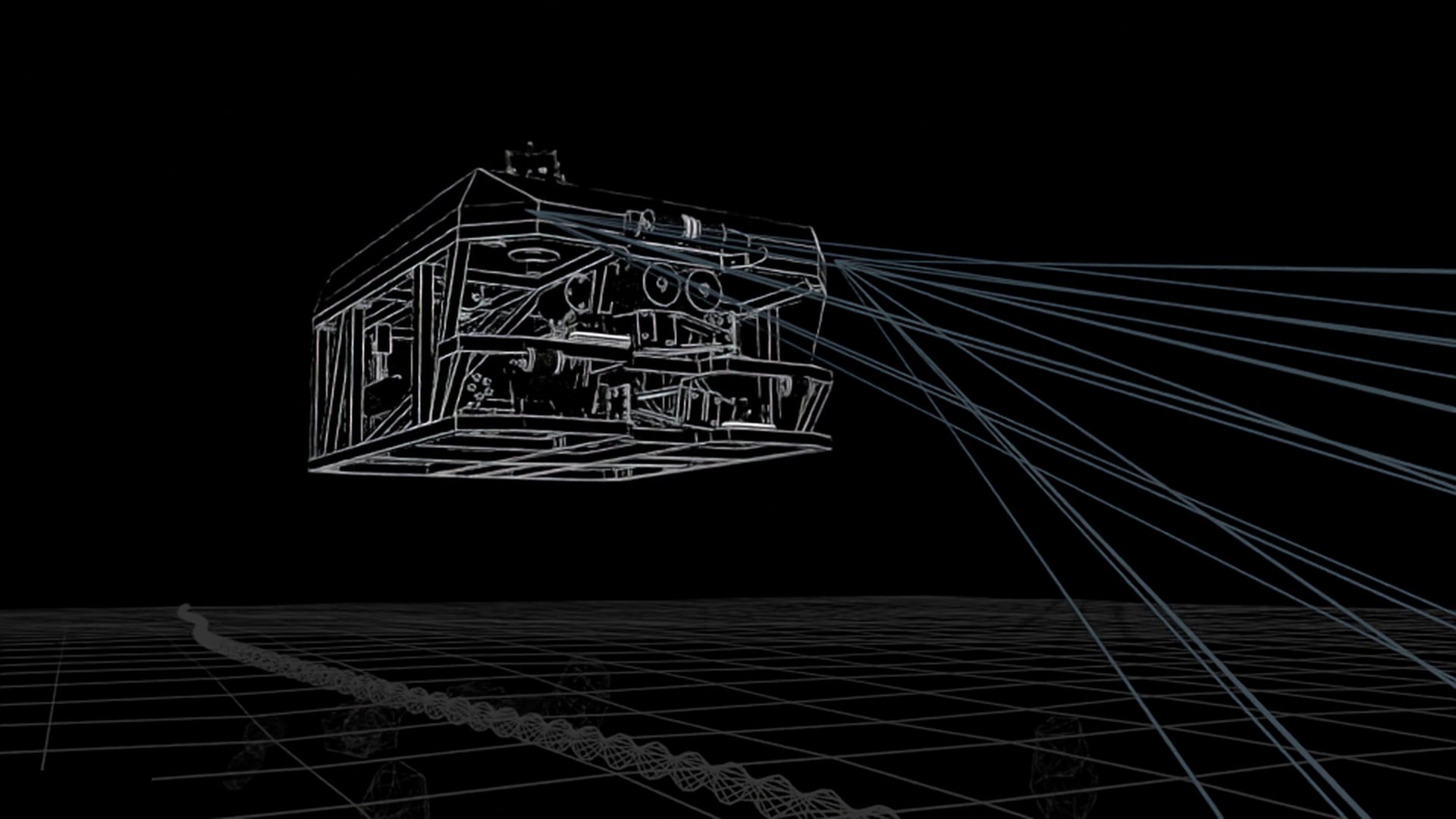
The vehicle as a wireframe over a grid, every internal part visible
Pass 01Wireframe
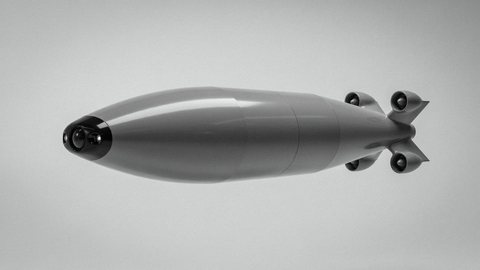
The vehicle shaded in grey over the grid
Pass 02Shaded
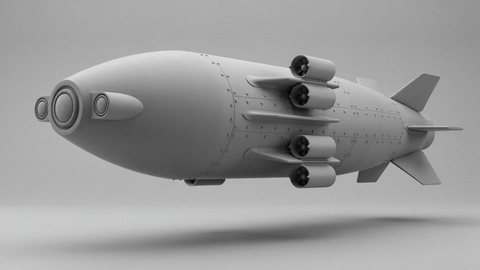
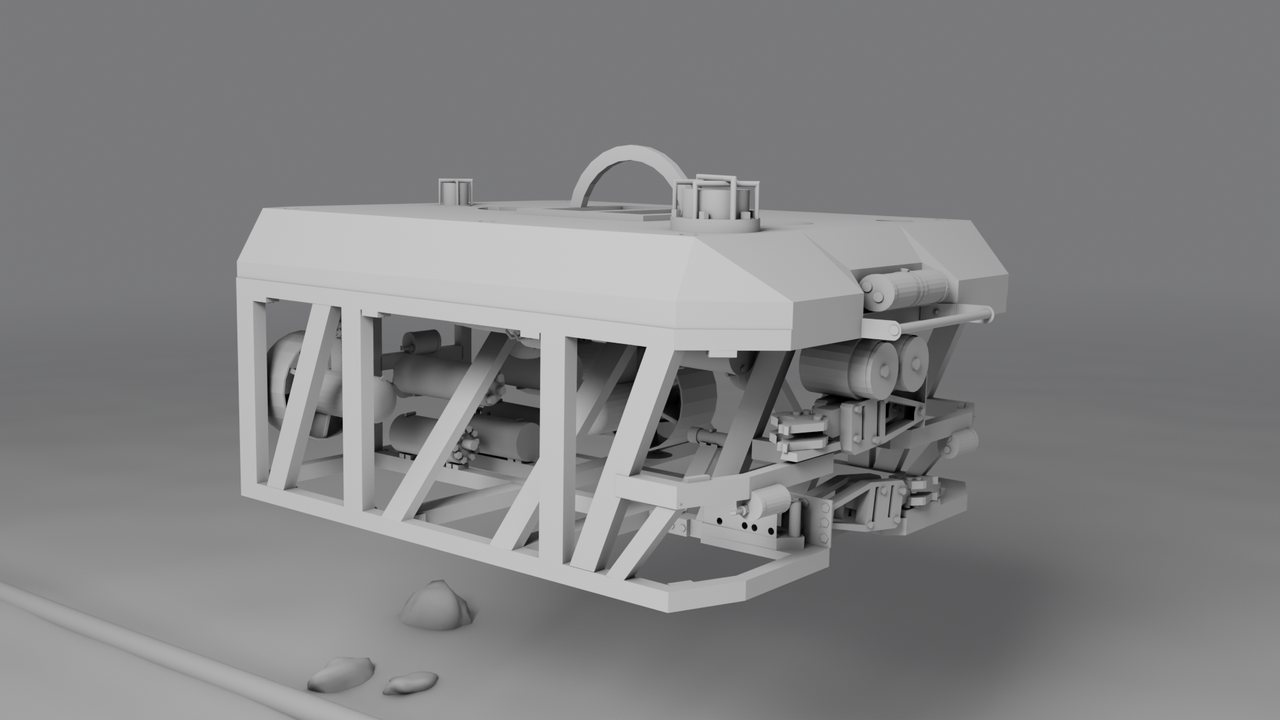
The vehicle in white clay over a soft grey floor
Pass 03Clay
The breakdown, from the filmWireframe · shaded · clay
The approach shot in 3D: the vehicle and its lights in shaded wireframe
Approach3D camera
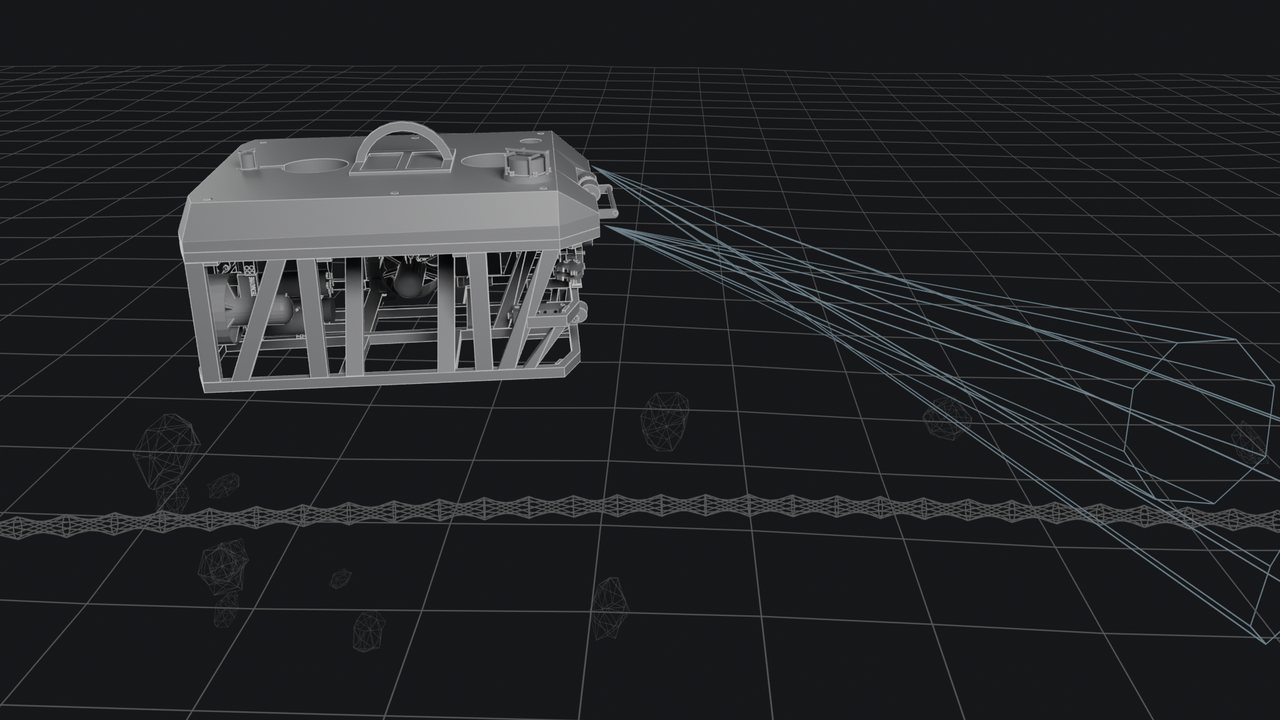
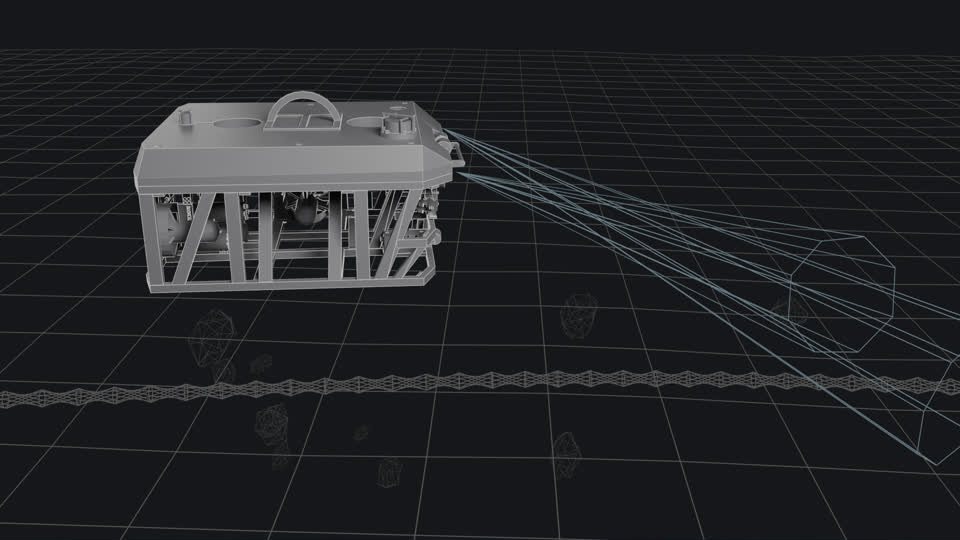
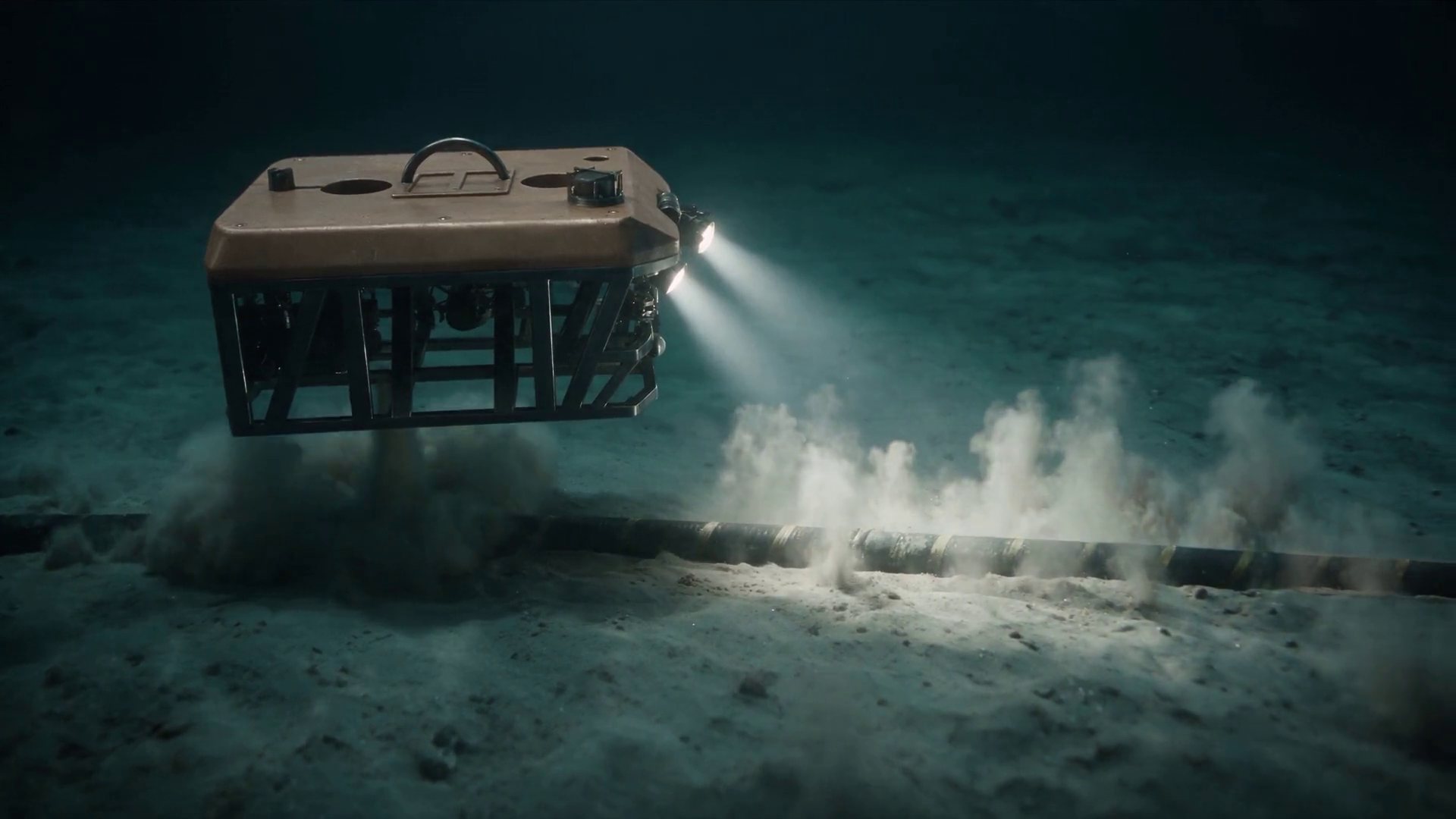
The hero shot in 3D: the vehicle over the cable on a grid
Hero3D camera

04One look, locked

Then the vehicle turns photographic. We checked it view by view against the model until every panel, lamp and frame member matched.

Each shot’s first frame is composed from our own 3D camera, and approved before anything moves.
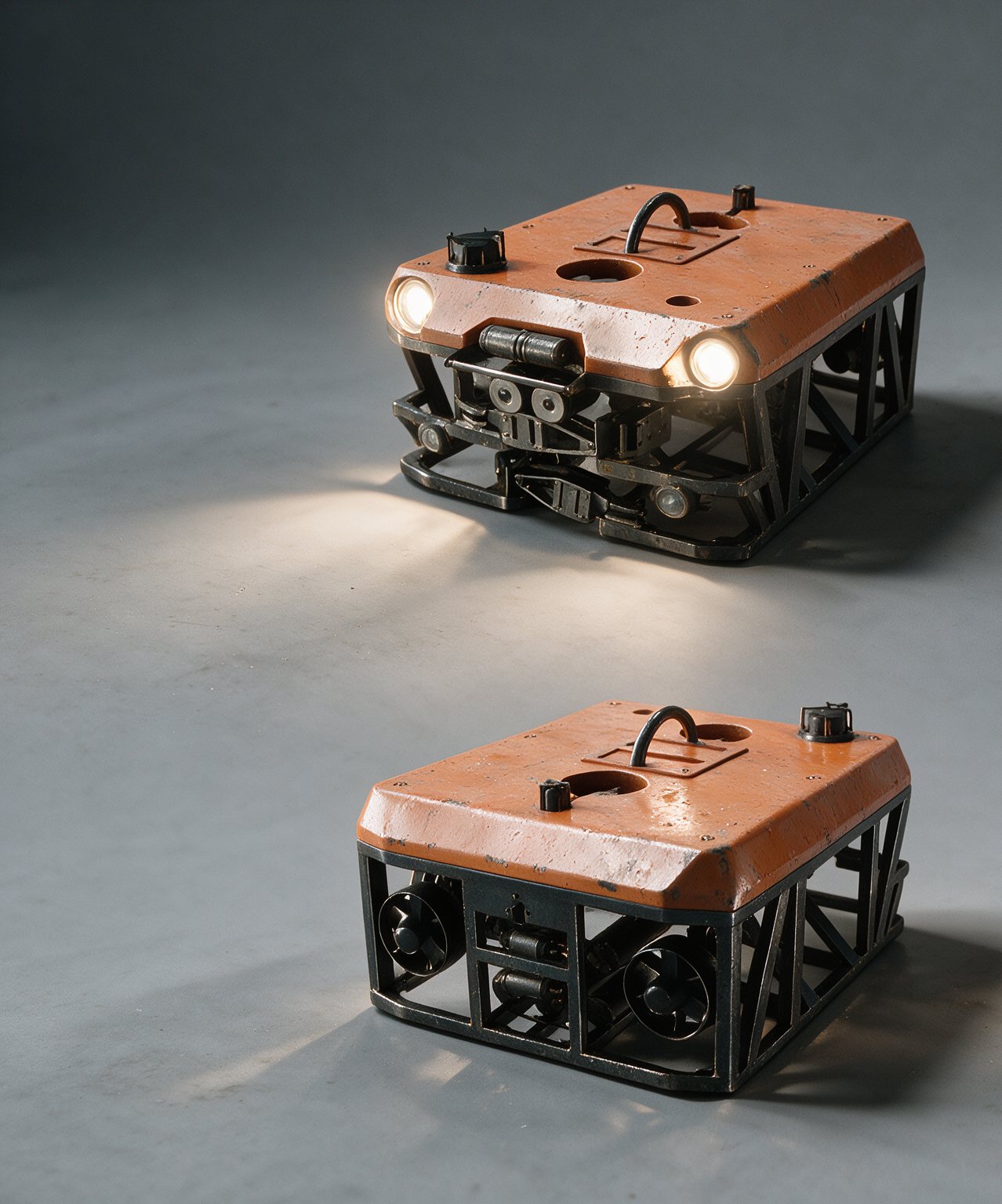
The vehicle photographed in a studio, from the front with lamps lit and from behind
Vehicle sheetv3
Our 3D frame of the hero shot: the vehicle over the cable on a grid
Our 3D frameHero
The approved first frame: the same view, photographic, on the seabed
First frameApproved

053D drives the picture

Our 3D motion becomes photoreal footage. The camera and the vehicle come from our model, so the finished shot moves exactly as we planned it.

Drag across each frame to compare.
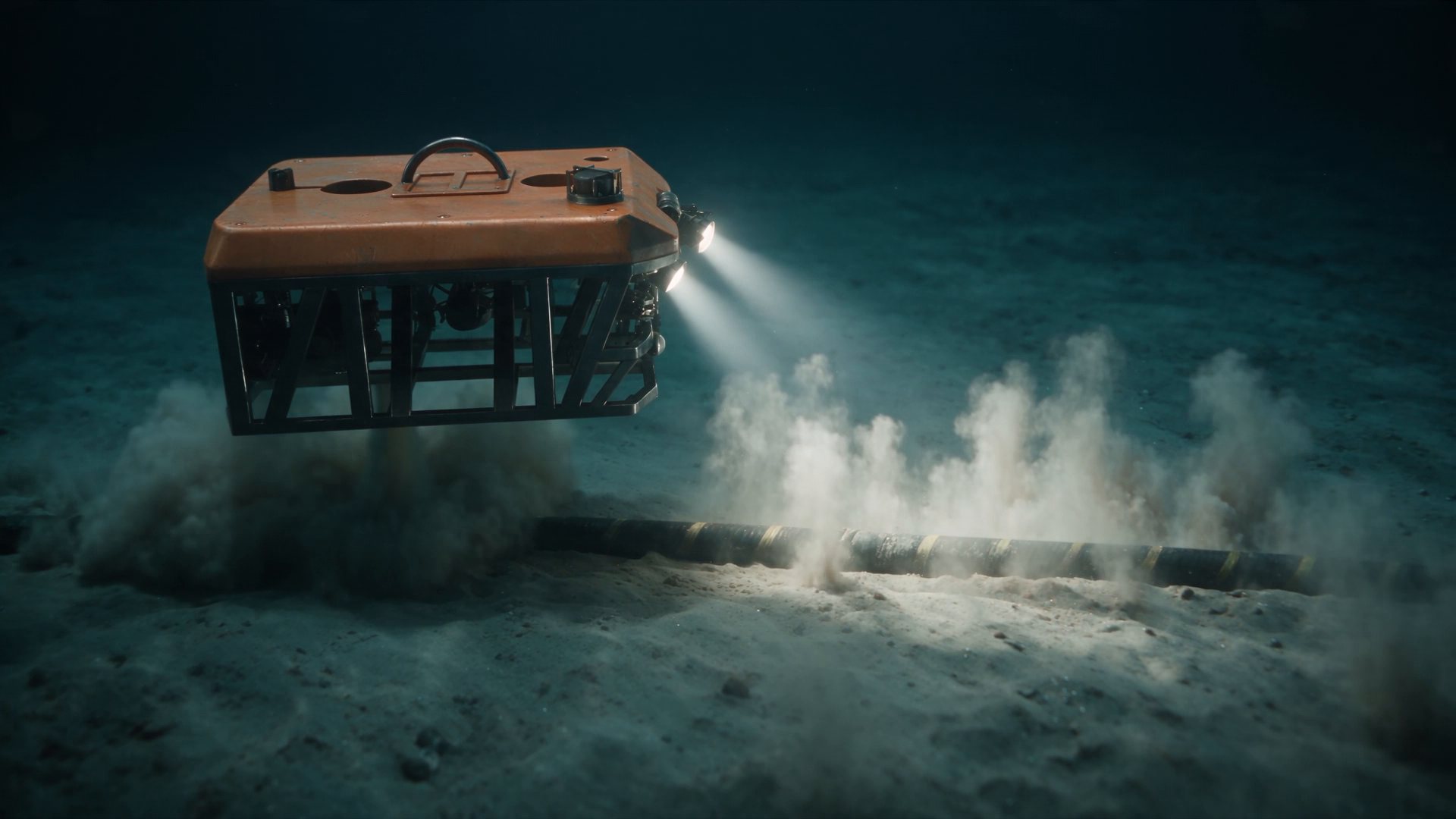
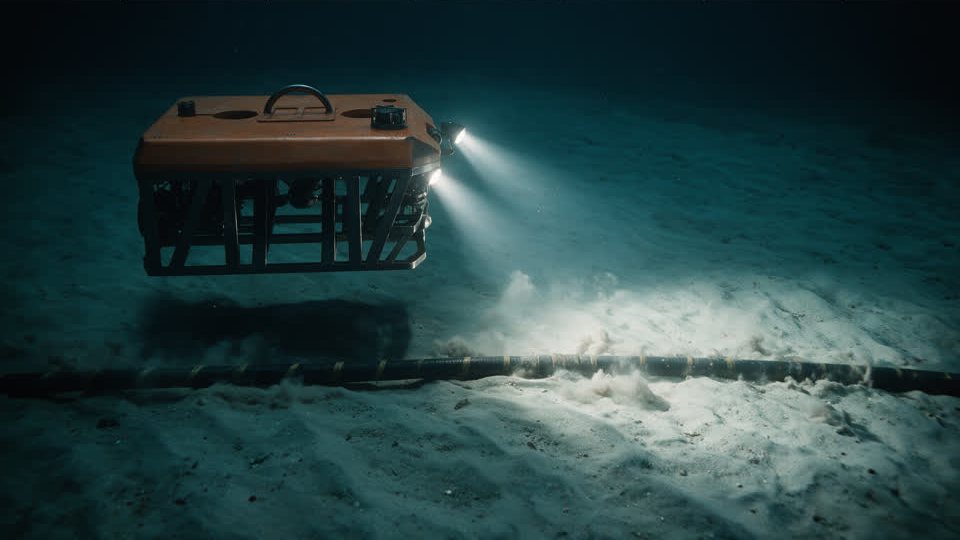
Hero shot, finished: the vehicle over the cable, silt rising in its lights Hero shot, our 3D frame: the vehicle over the cable as a grey model on a grid
Hero · our 3D / finalDrag to compare
Approach shot, finished: the vehicle in green water under the surface light Approach shot, our 3D frame: the vehicle and its light cones as a model
Approach · our 3D / finalDrag to compare
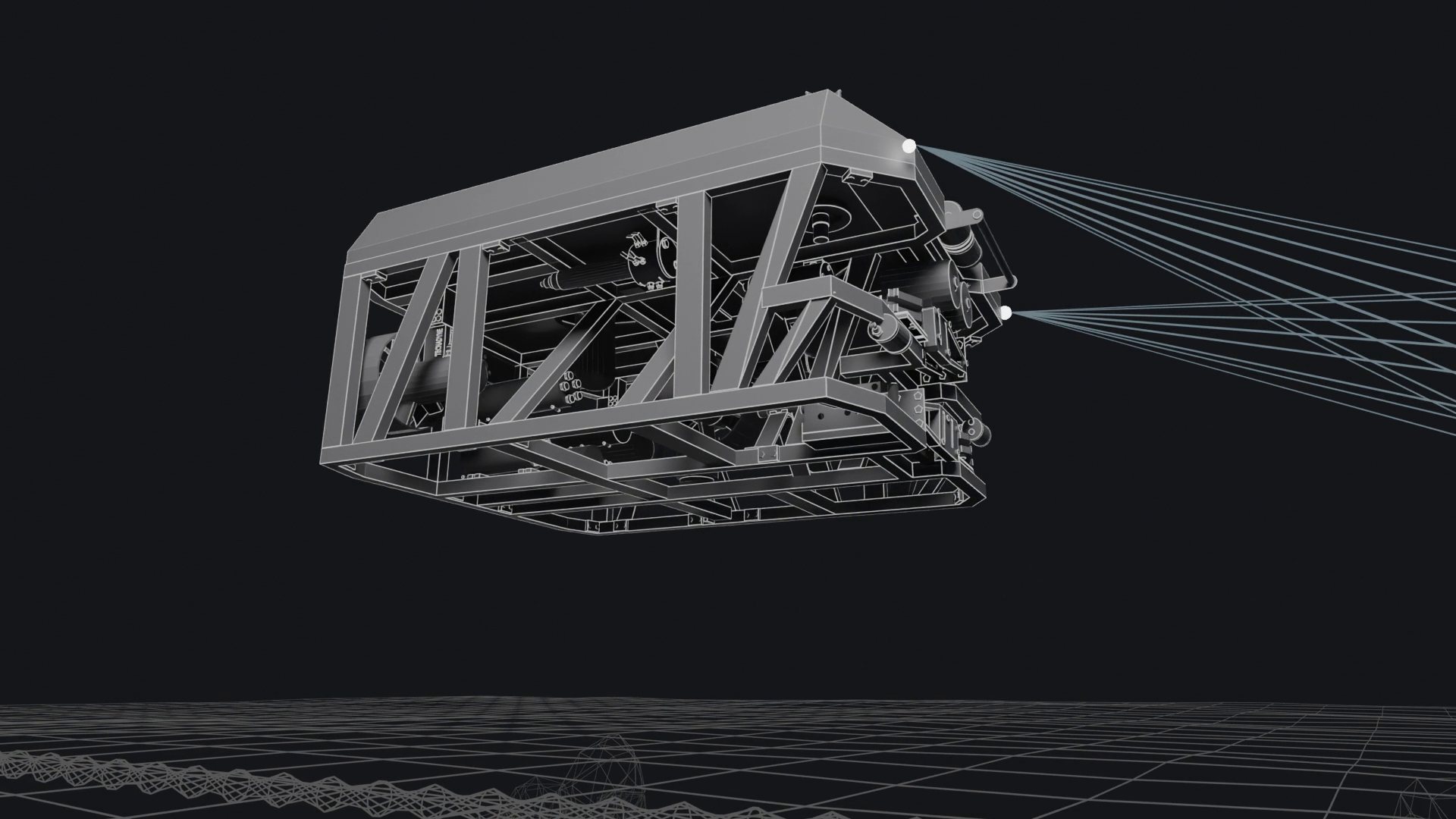
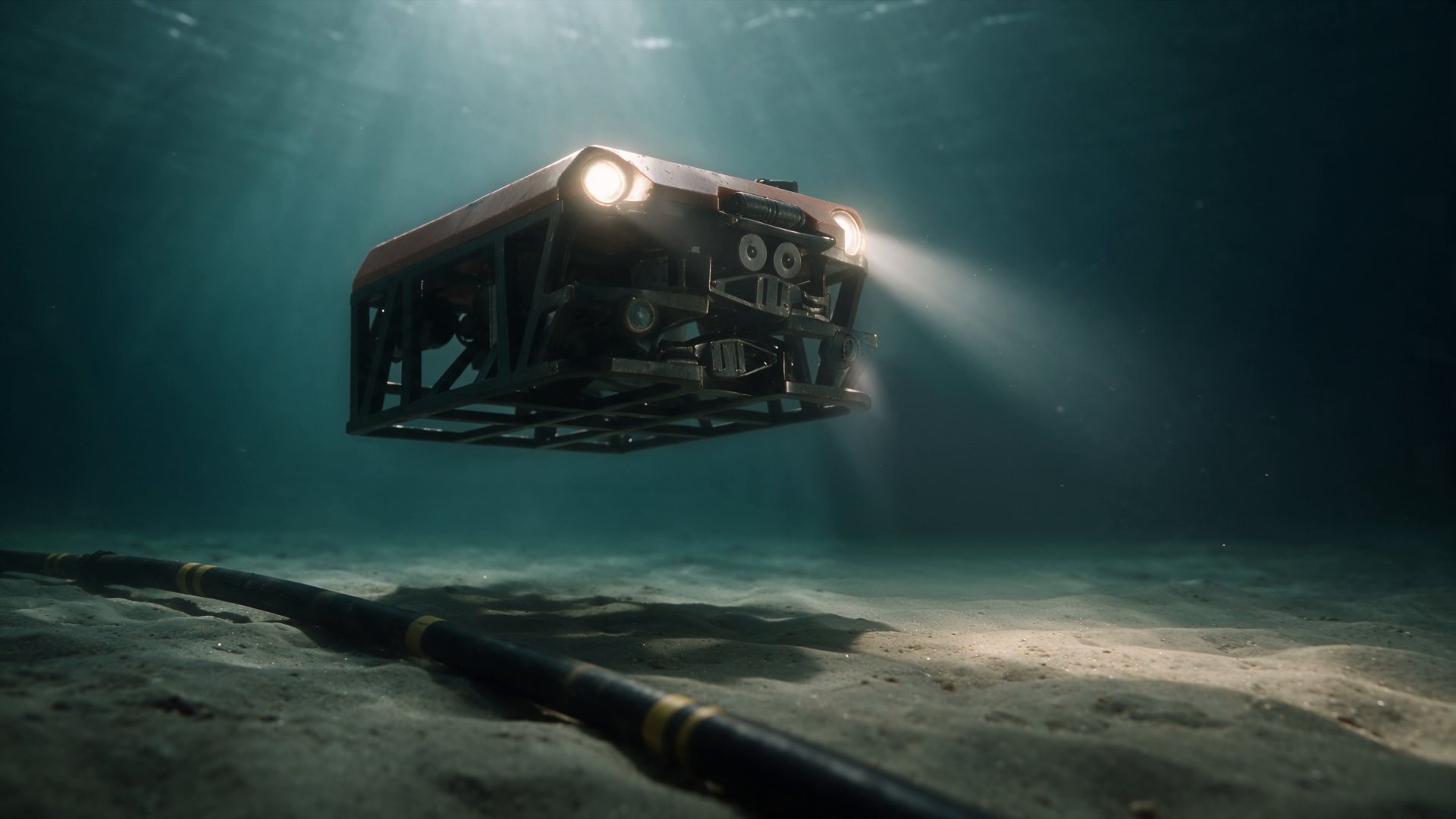
Beams shot, finished: the vehicle’s lamps on the cable in the sand Beams shot, our 3D frame: the vehicle as a wireframe above the cable
Beams on the cable · our 3D / finalDrag to compare
ApproachFinal
Beams on the cableFinal
HeroFinal
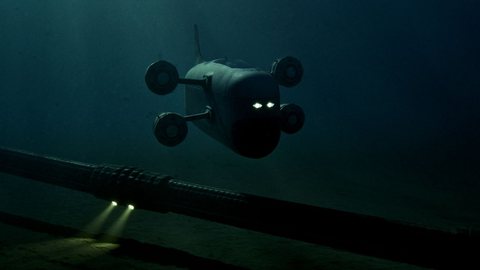
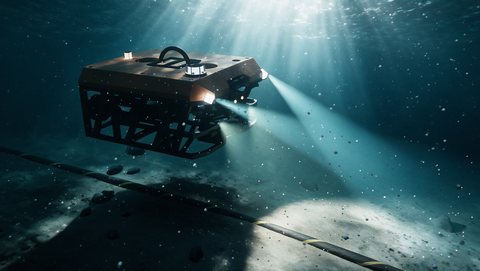
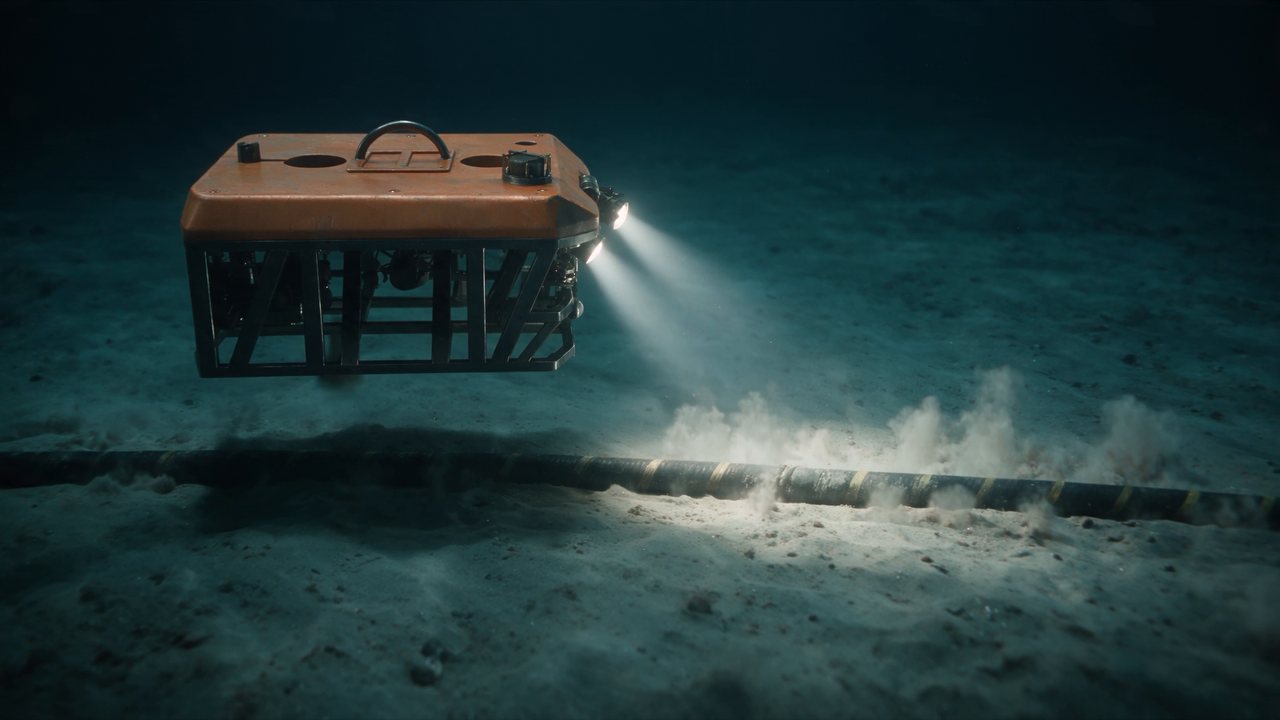
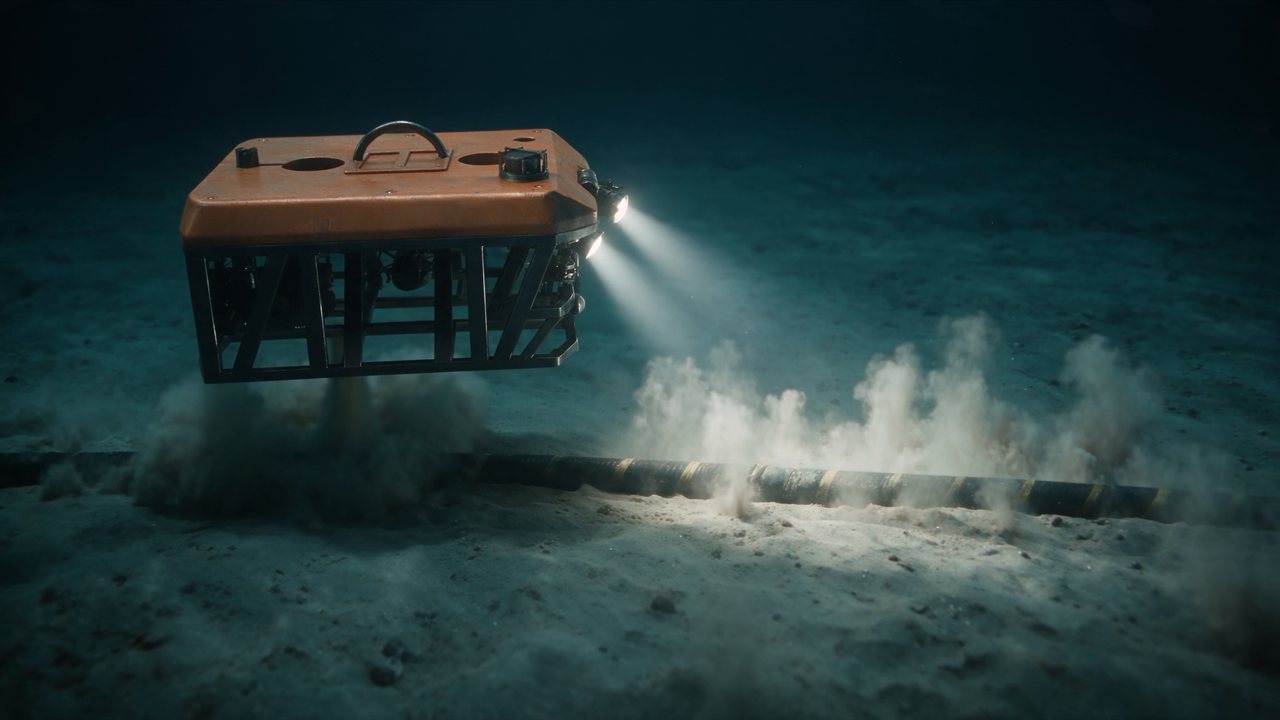
The vehicle over the subsea cable, its thrusters lifting silt into its own light

Hero · final frameFrom the film
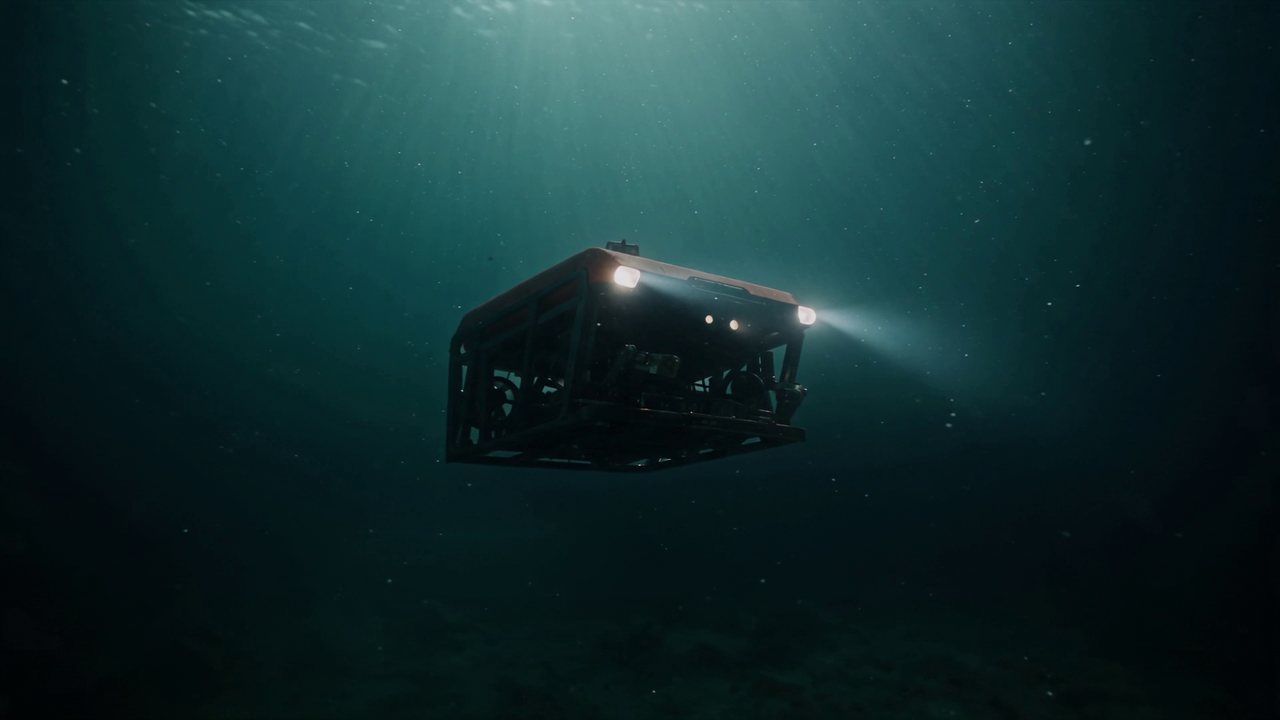
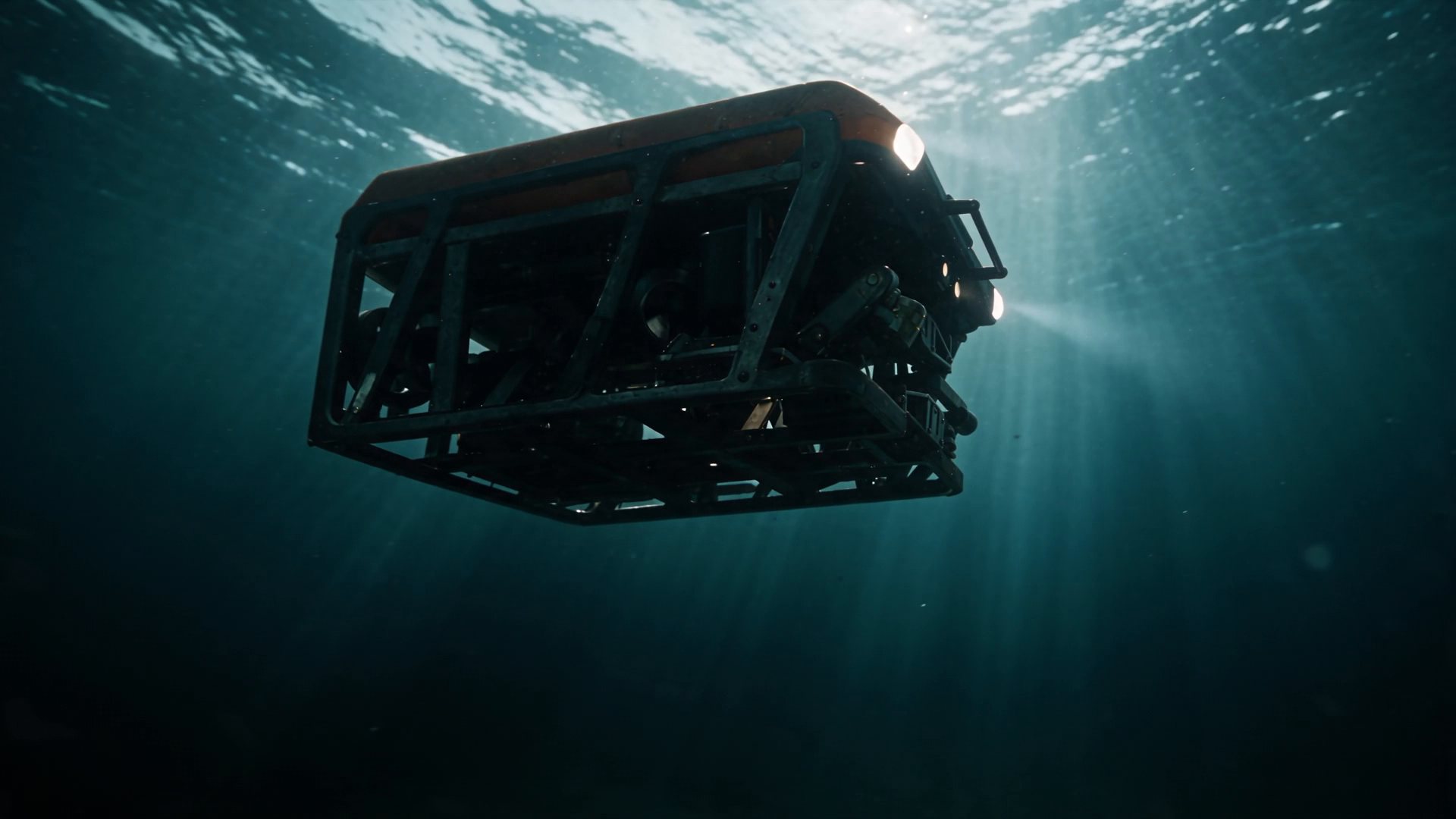
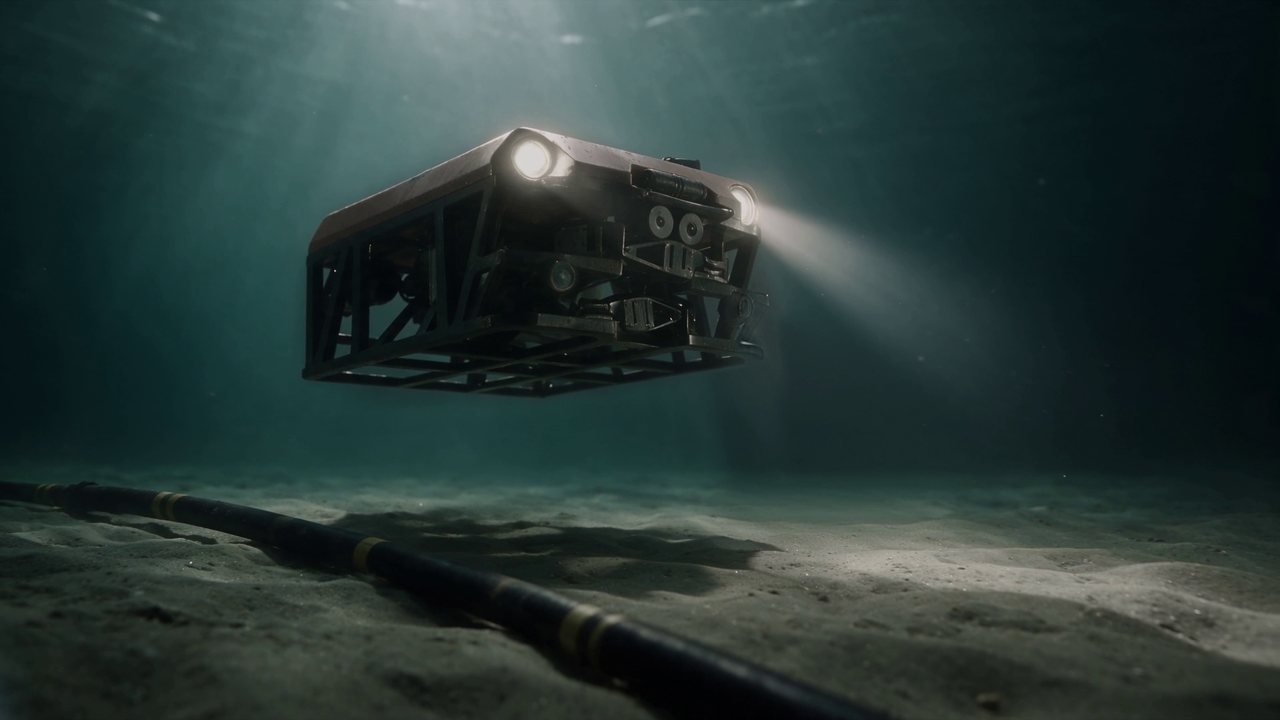
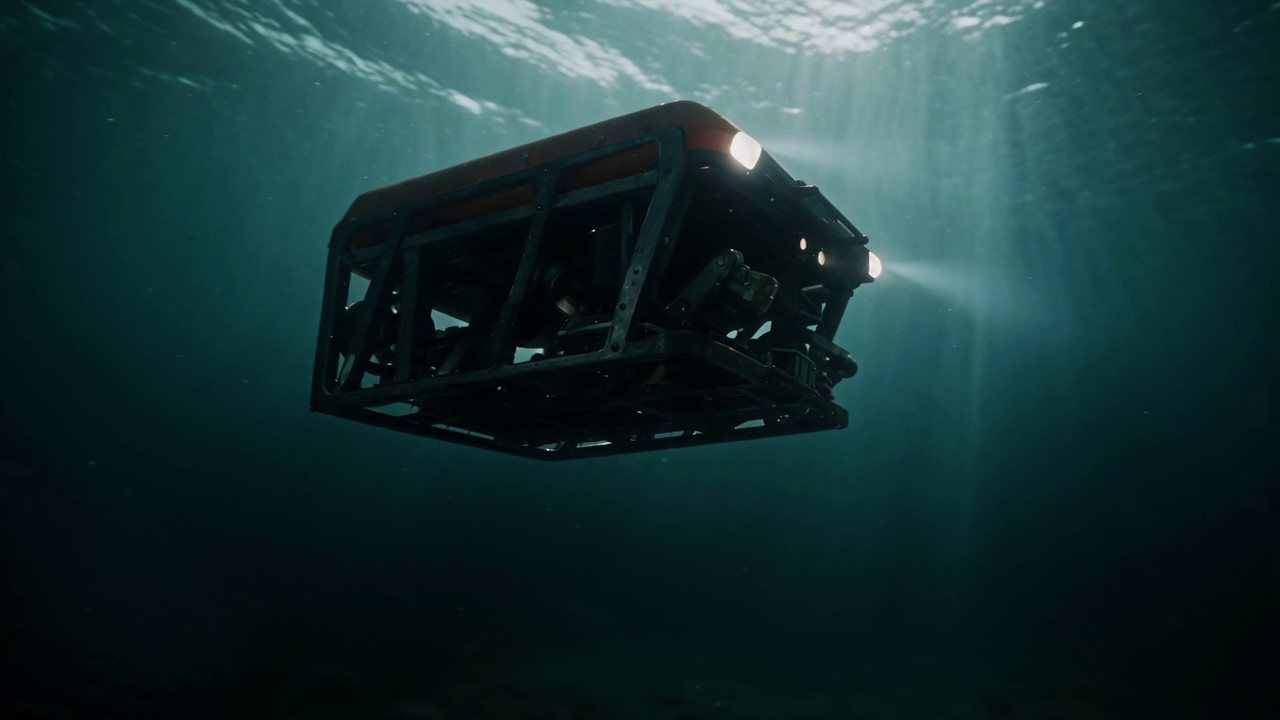
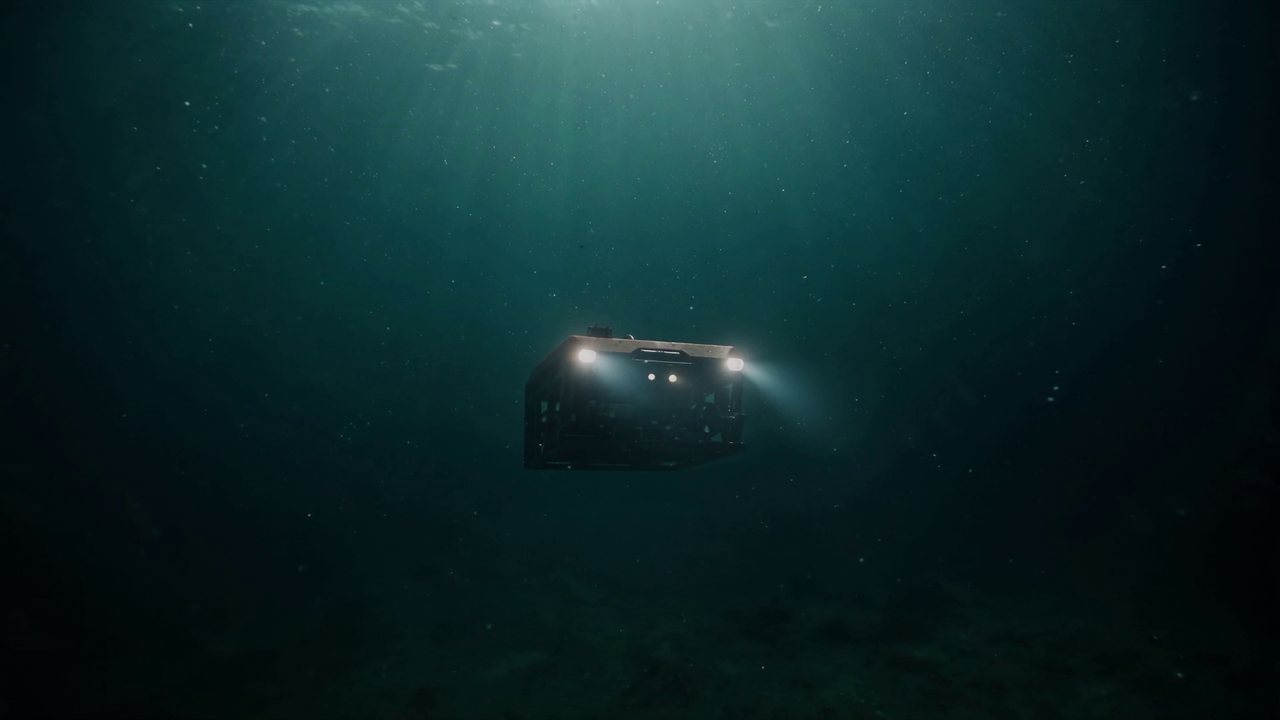
The vehicle approaching out of the dark green water
ApproachFrame 48
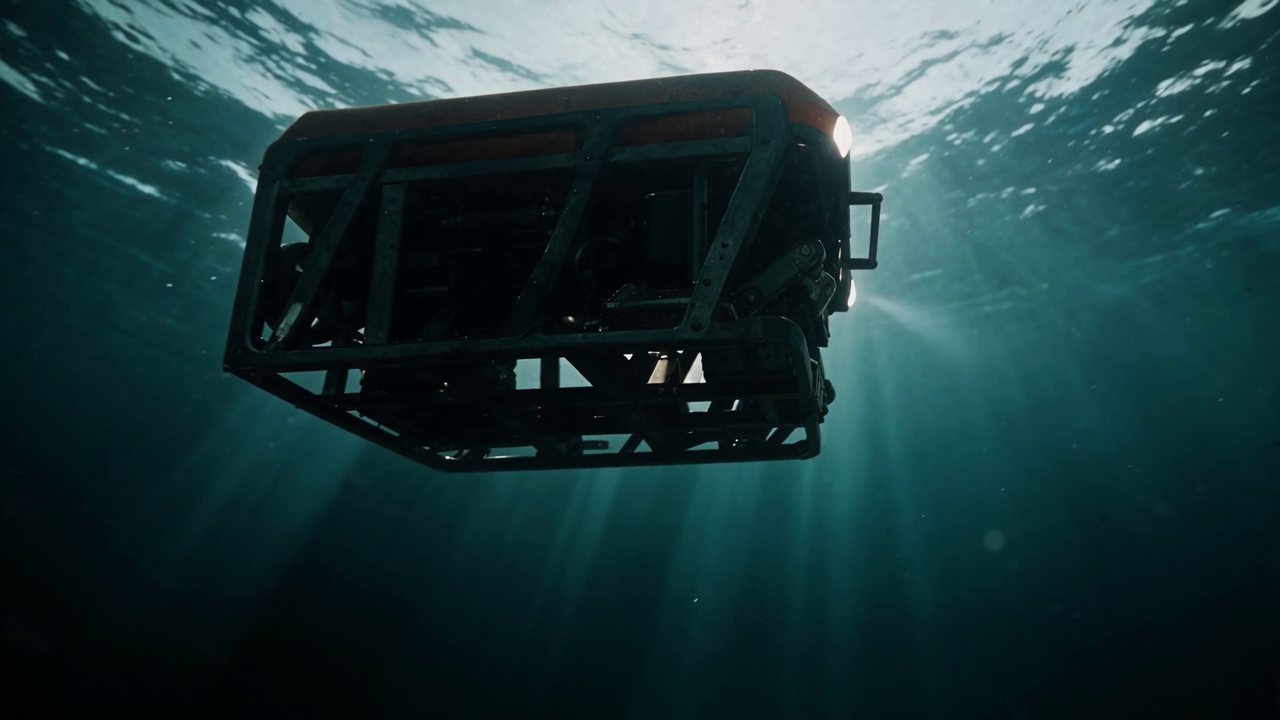
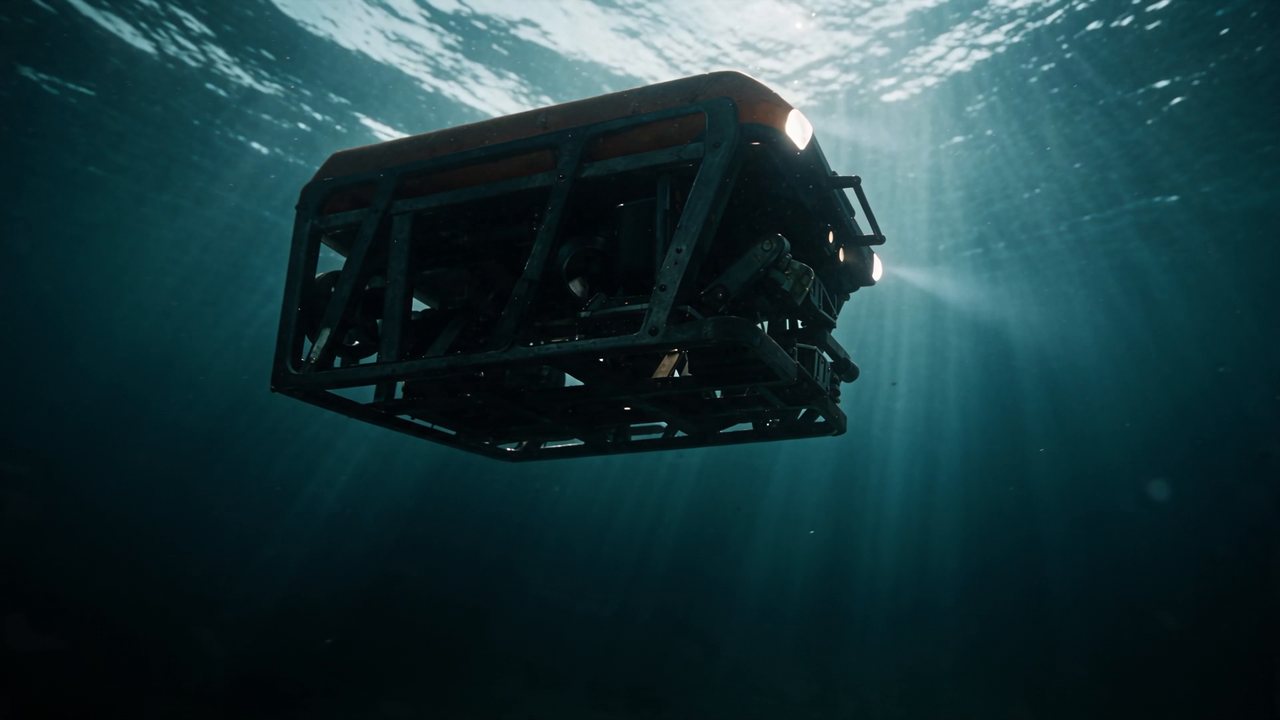
The vehicle passing close under the surface light
ApproachFrame 86
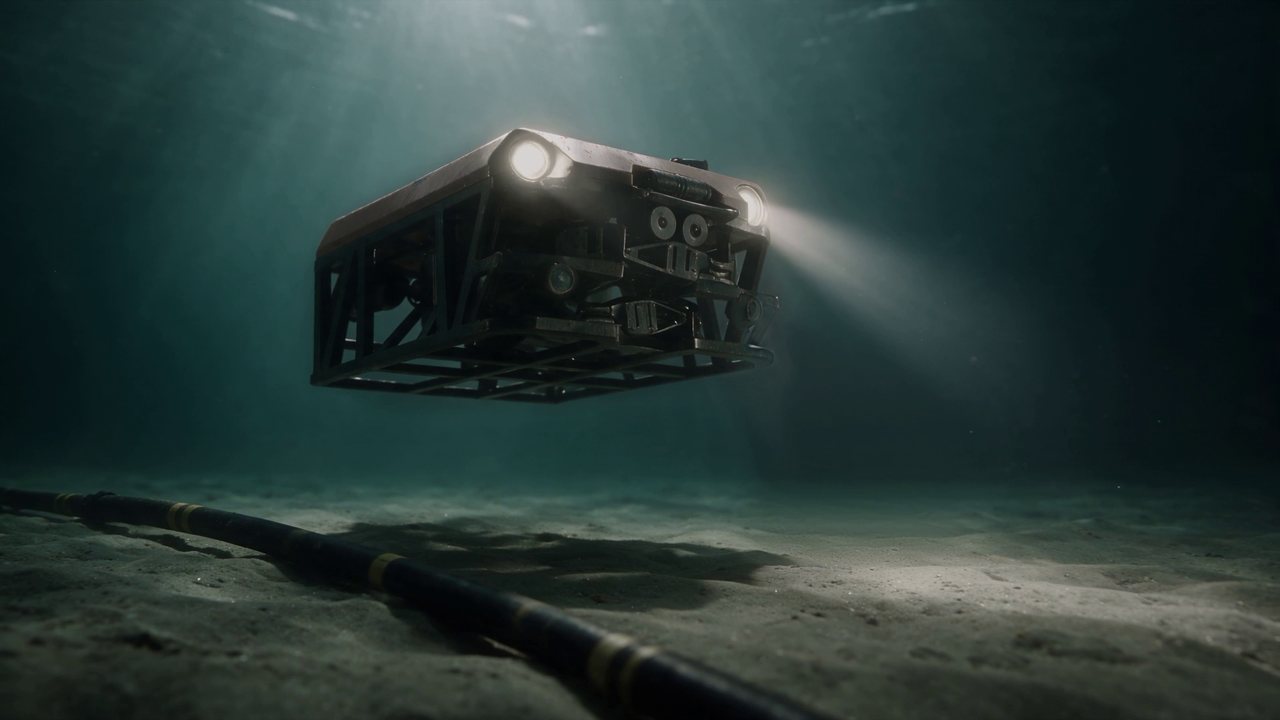
The vehicle’s lamps sweeping the cable
Beams on the cableGraded
The vehicle settling over the cable, the first silt rising
HeroFrame 19
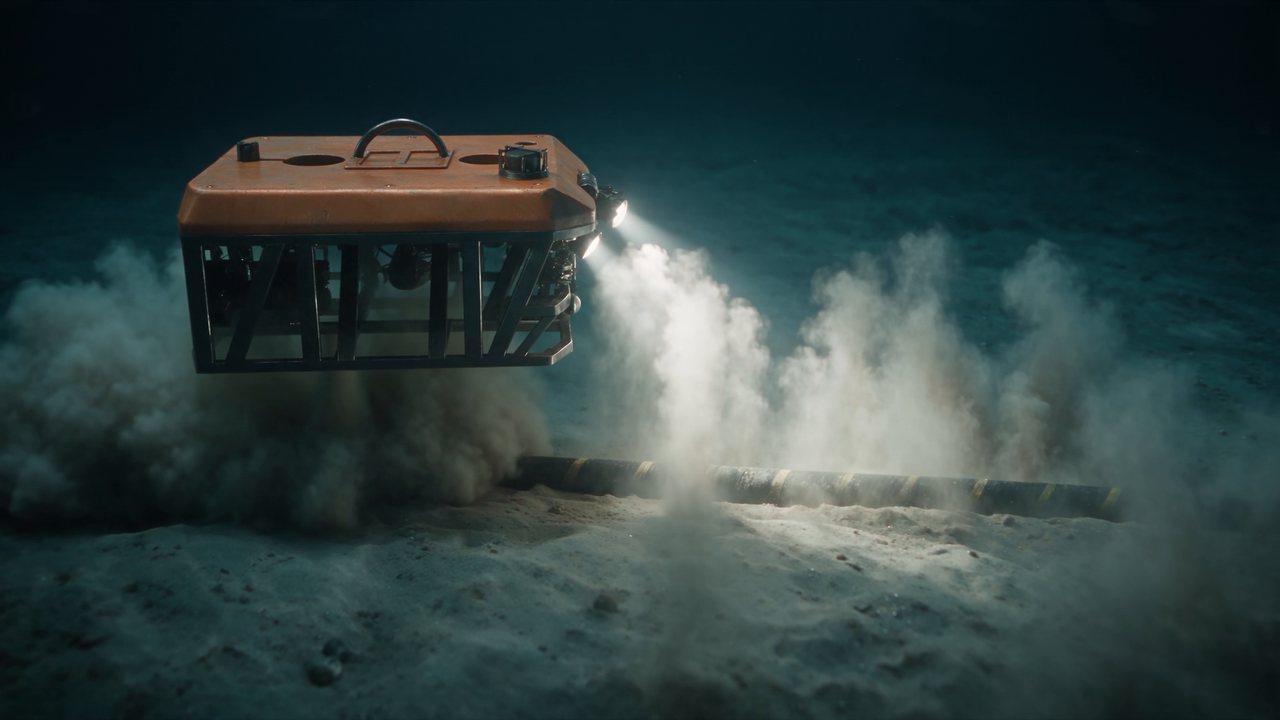
The vehicle over the cable in a cloud of silt
HeroFrame 86
The wipe in the film: the finished shot turning back into wireframe
The wipeFinal to 3D

06Into the light

We come back up the way we went down, into a new morning over the archipelago.

Same coast, same water. Now in full light.
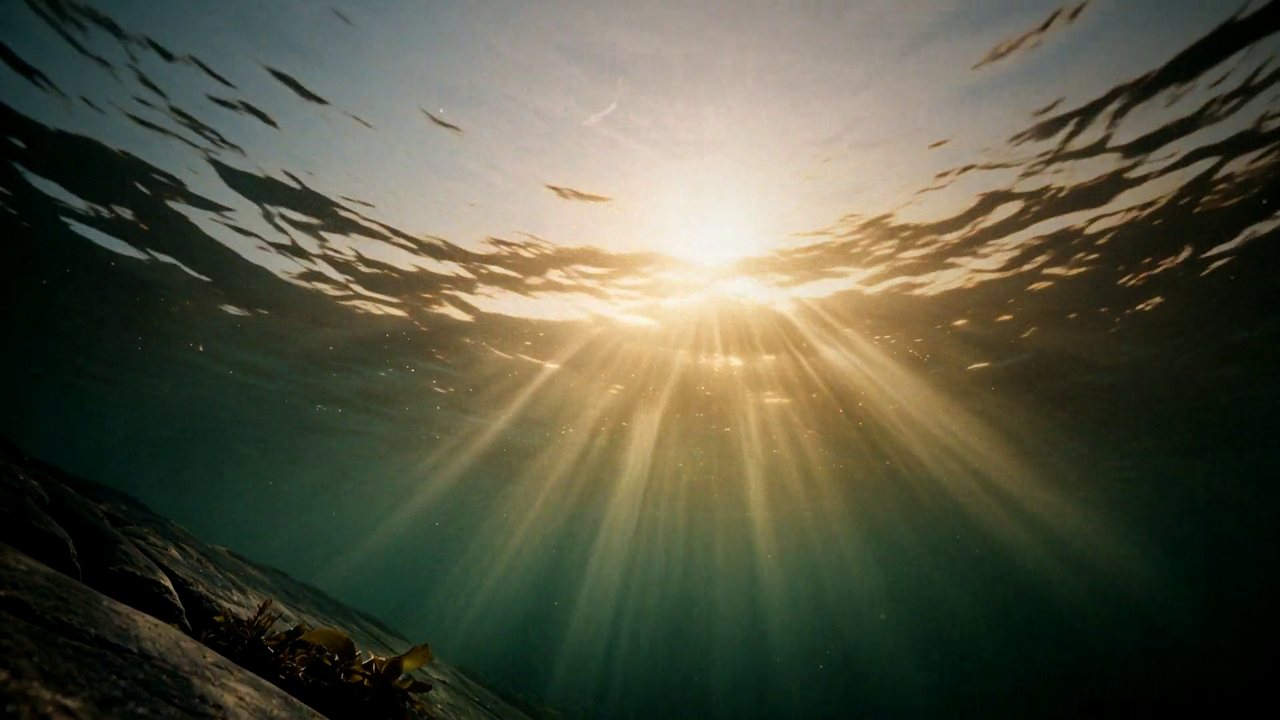
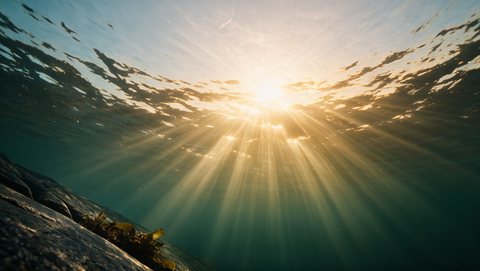
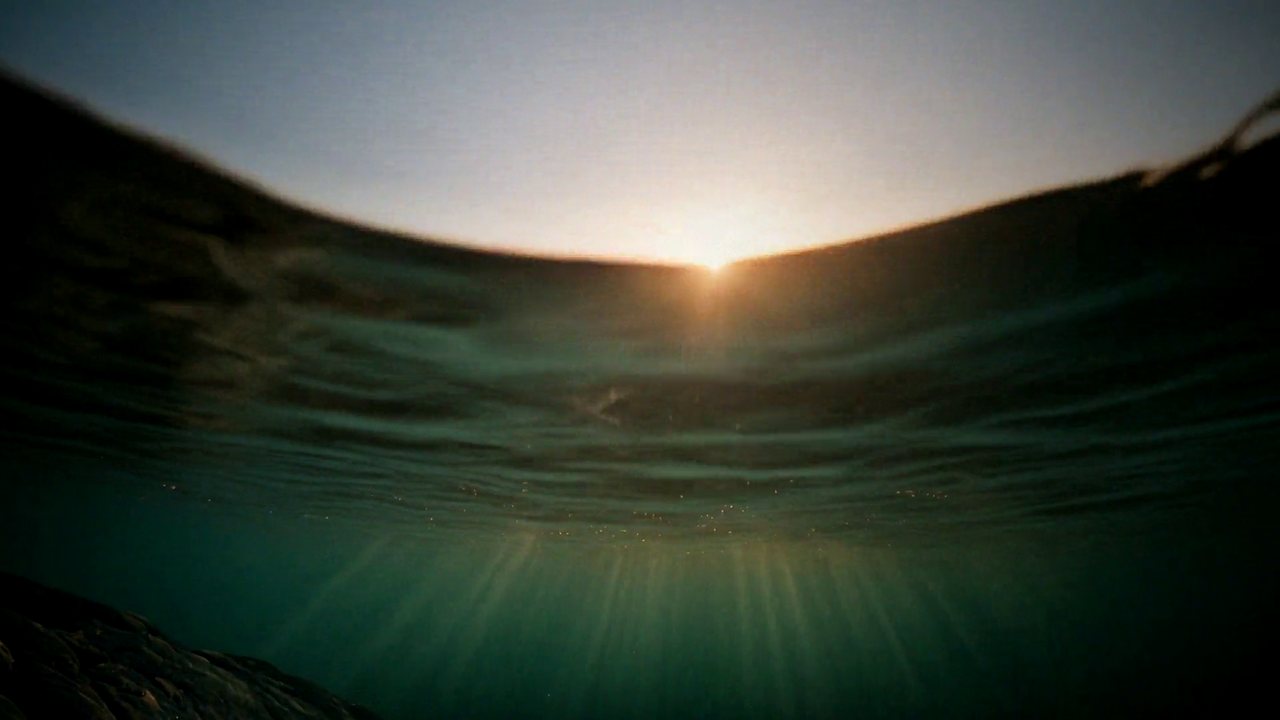
Sunlight breaking through the surface from below
The rise01
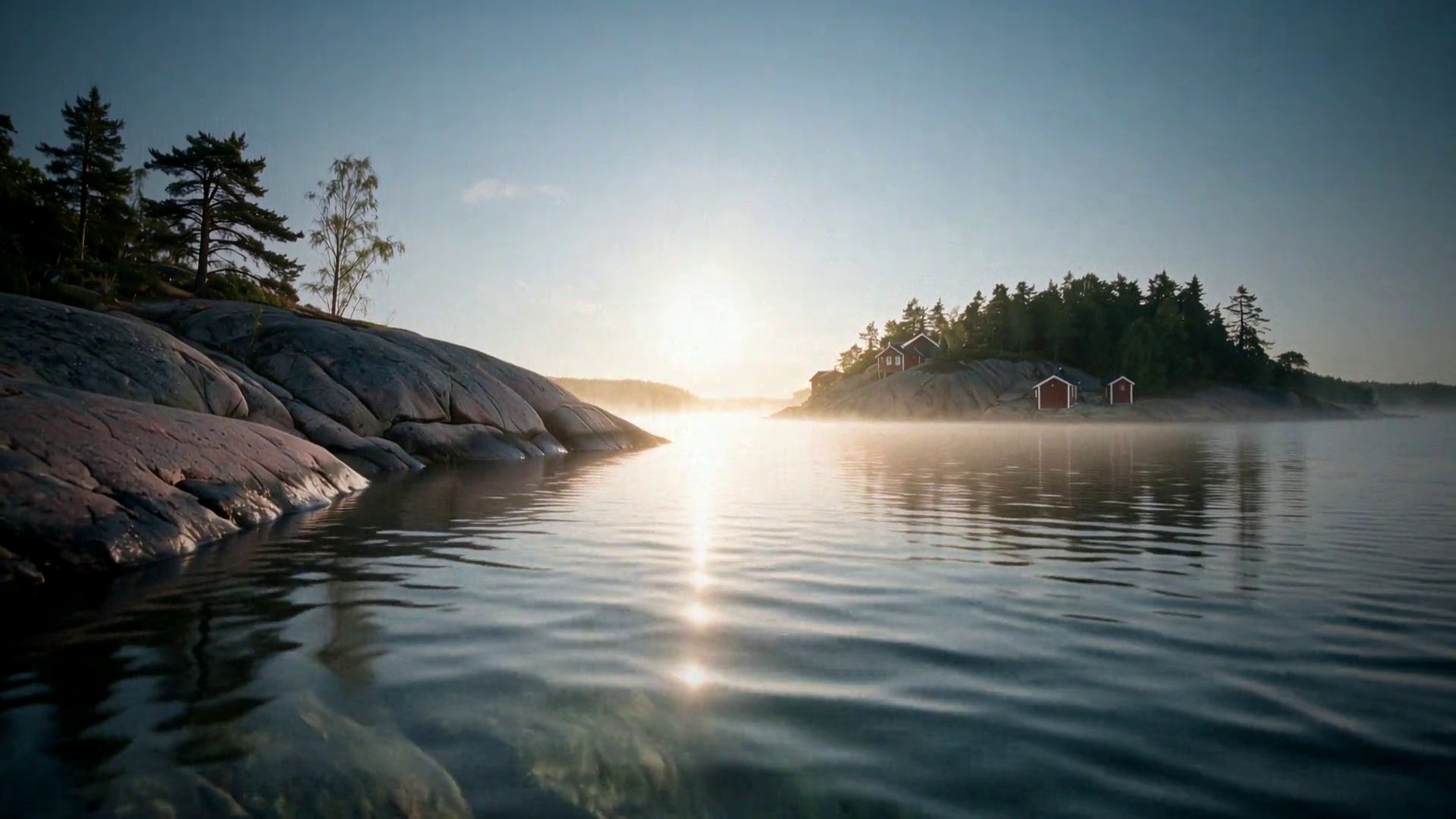
The waterline at sunrise, granite below and an island beyond
The waterline02
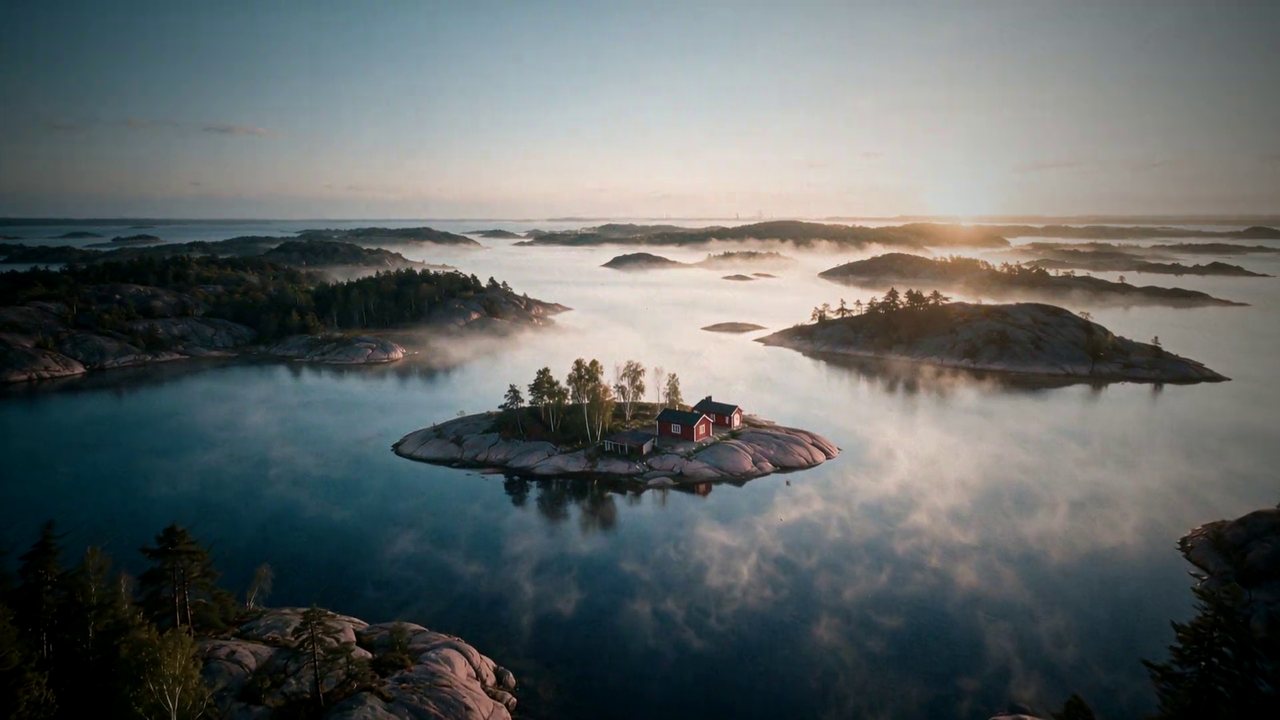
The archipelago from above at sunrise, mist between the islands
The archipelago03
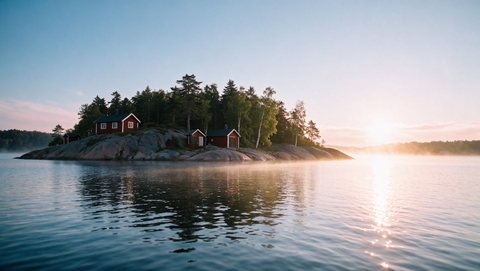
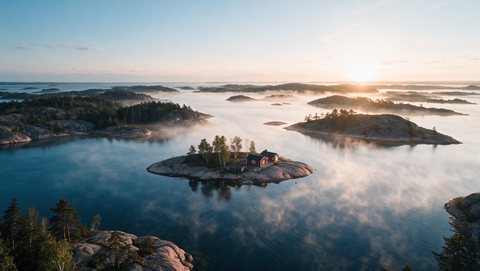
Sunrise over still water, granite in the foreground and a cottage island beyond

A new morning · final frameFrom the film

07Sound and voice

The score is cut to the story: silence at the plunge, the music muffled underwater, opening up when the product comes into the light.

The voice was designed for this film.

What went wrong

Every mistake became a rule.

Craft

Every shot took several tries. Each thing that went wrong taught us something, and we work by it now.

  1. 01

    The map had no air in it.

    Our first opening flew low over a satellite map, and it looked like one.

    Rule Real data from high up. Finished by hand below.
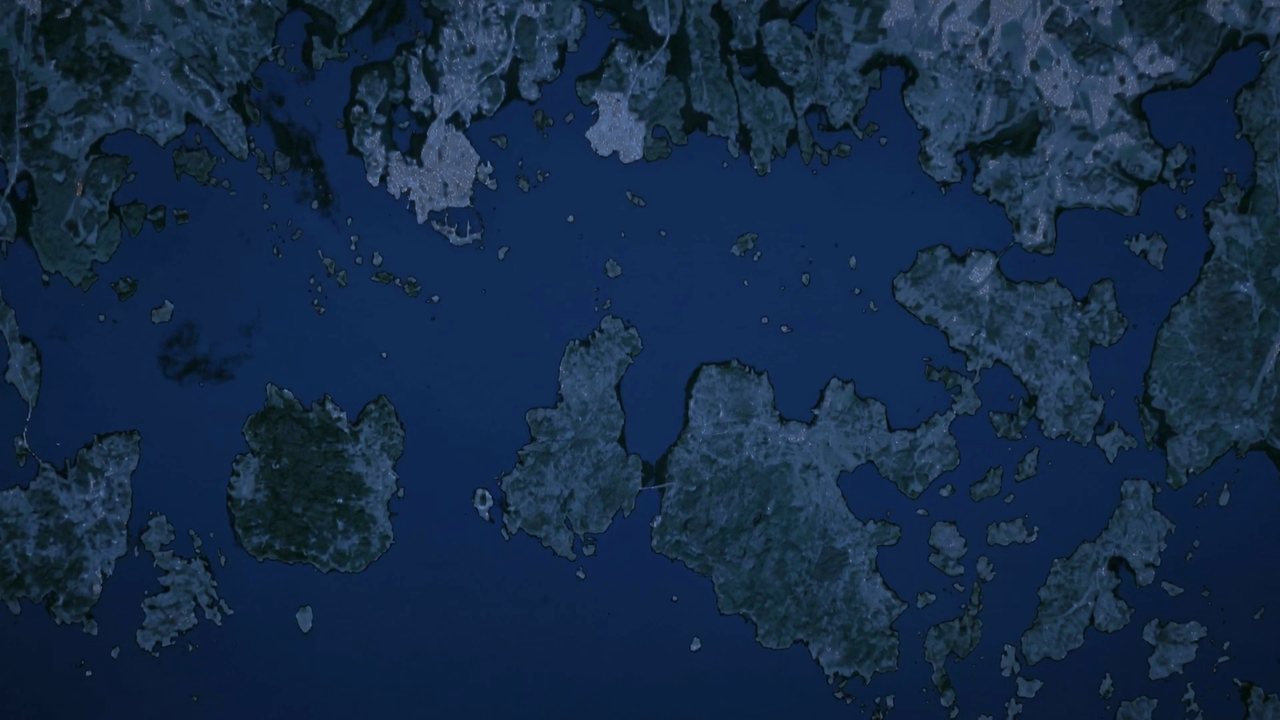
    A flat satellite map of the archipelago, seen from low altitude
    WrongFirst opening
    The finished archipelago from the air, misty islands at dawn
    FixedFinal
  2. 02

    It looked like 3D, not film.

    The first pass kept the CG look of the render.

    Rule Photographs set the look. Never renders.
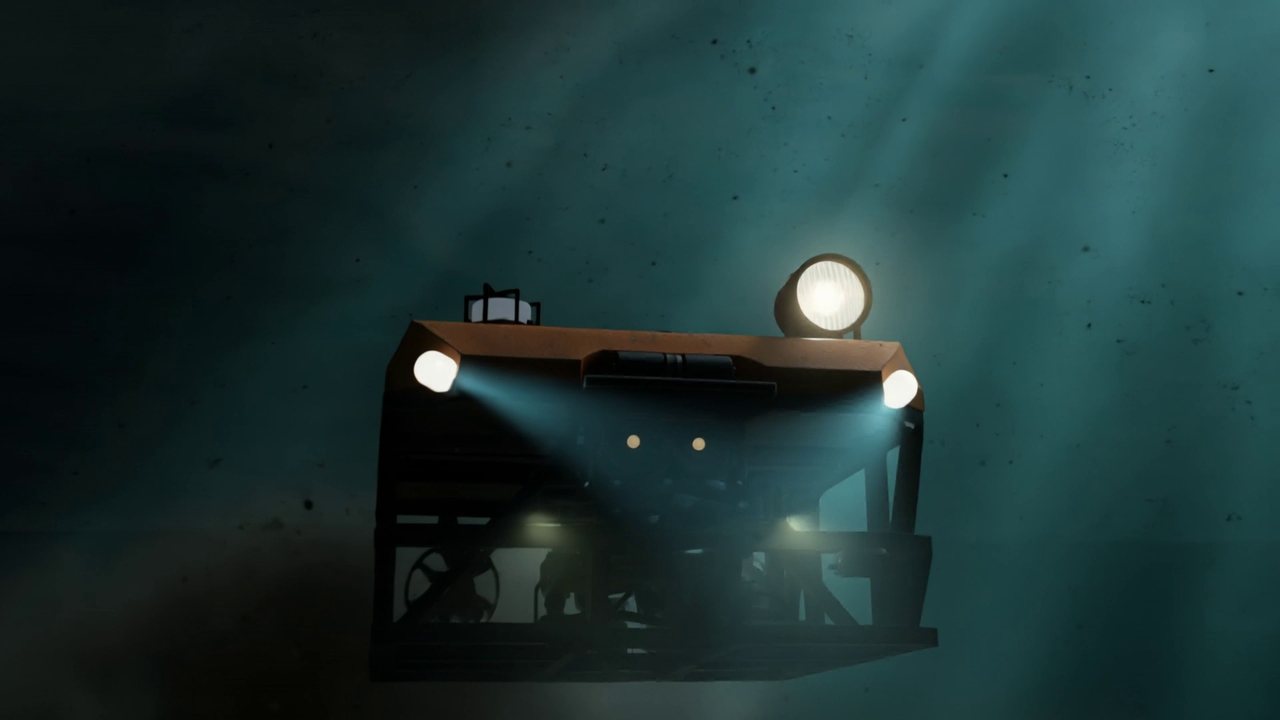
    The vehicle underwater with a smooth computer-graphics look
    WrongFirst pass
    The vehicle underwater, photographic, light falling from the surface
    FixedFinal
  3. 03

    Lamps on the roof.

    Our vehicle reference put the lights on top, so the film did too.

    Rule Every mistake in the reference comes back in every frame.
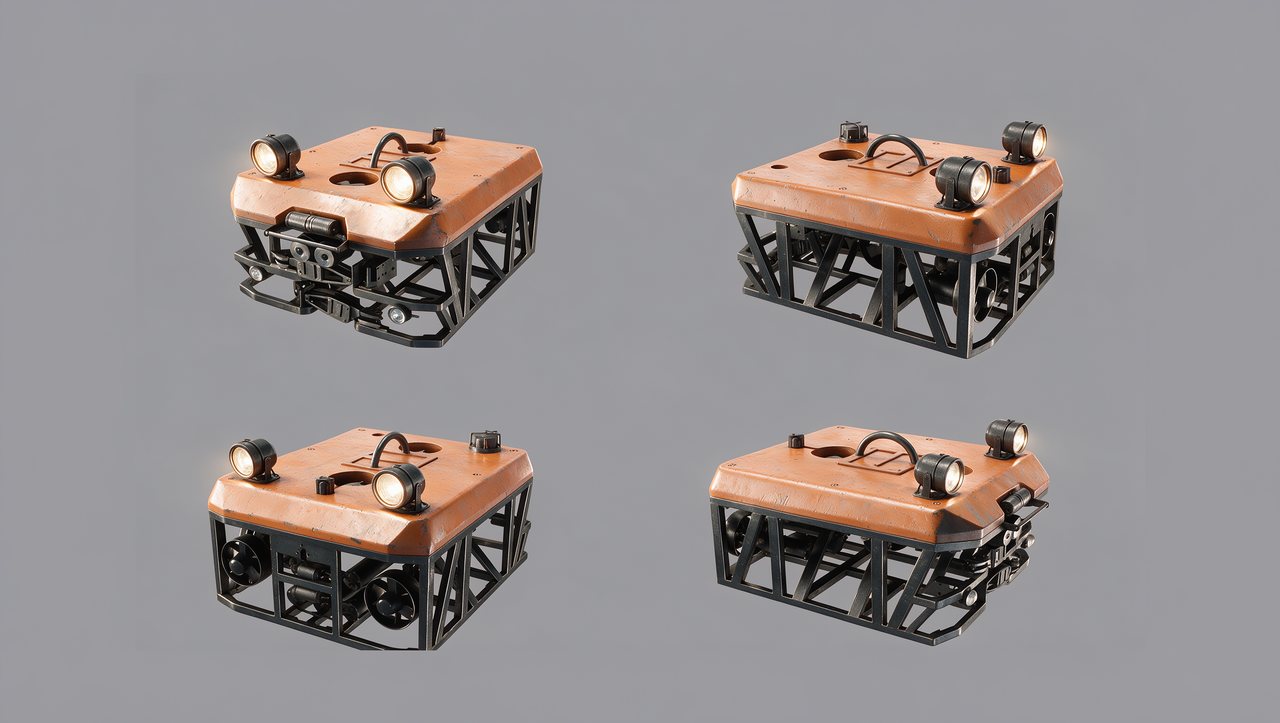
    An early vehicle sheet with searchlights mounted on the roof
    Wrong reference
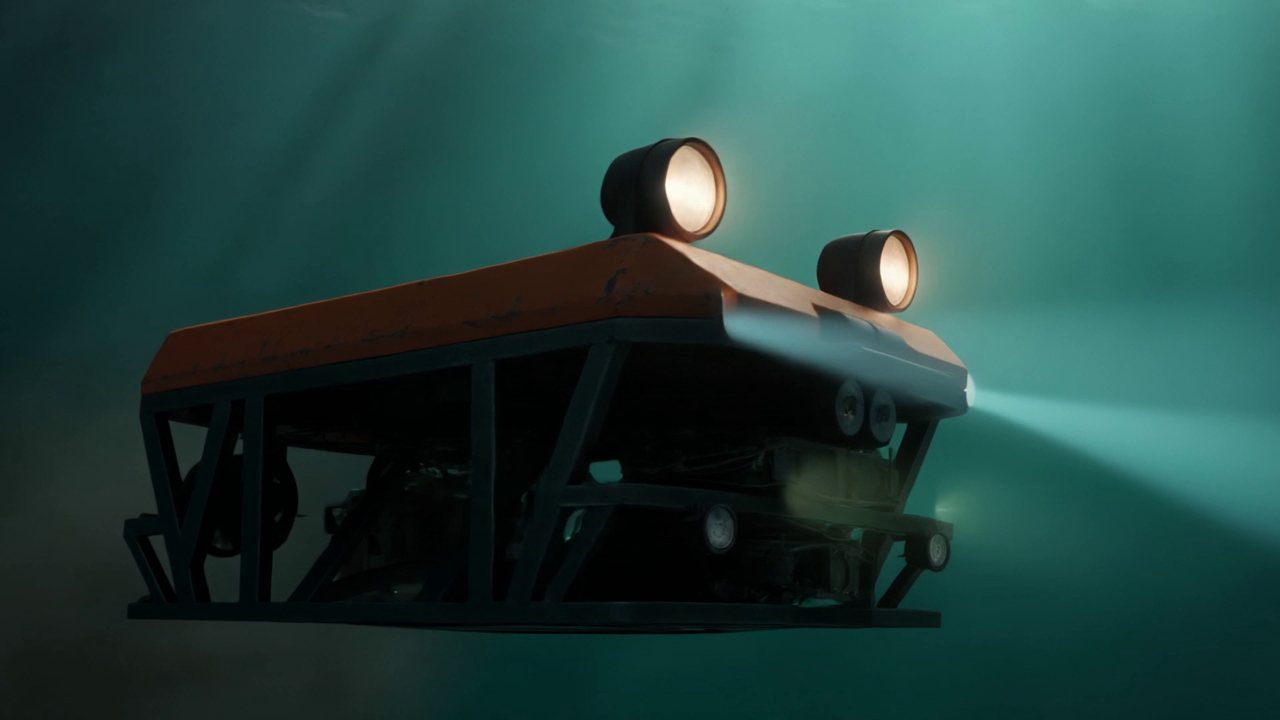
    The vehicle underwater with two searchlights on its roof
    WrongIn every frame
  4. 04

    It grew a claw.

    The model invented a robot arm our vehicle doesn’t have.

    Rule Name what it must not invent.
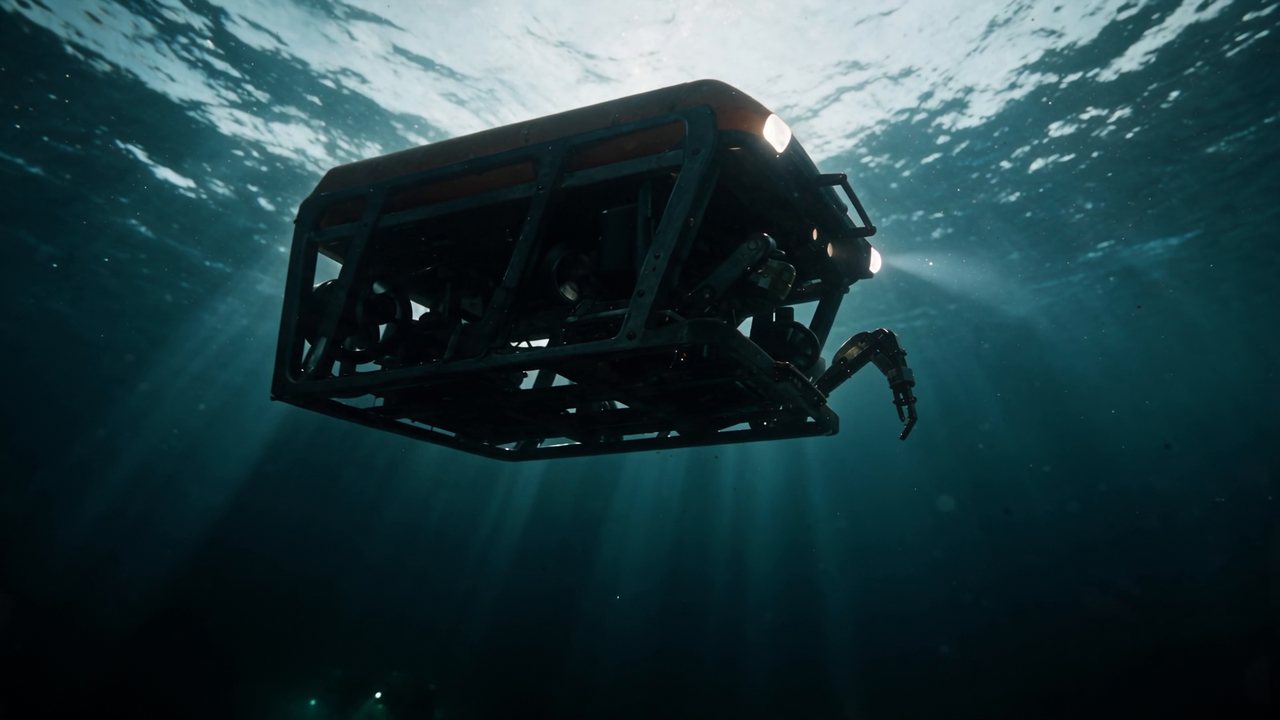
    The vehicle with an invented robot arm on its right side
    WrongInvented arm
    The vehicle as designed, with no arm
    FixedAs designed
  5. 05

    The vehicle spun instead of the camera.

    We wrote “it turns”, and it turned.

    Rule Describe what the camera does.

    WrongThe vehicle turns
    FixedThe camera moves
  6. 06

    A second vehicle on the seabed.

    A faint ghost vehicle appeared, lower left. We painted it out in the cut.

    Rule Check every corner, not only the product.
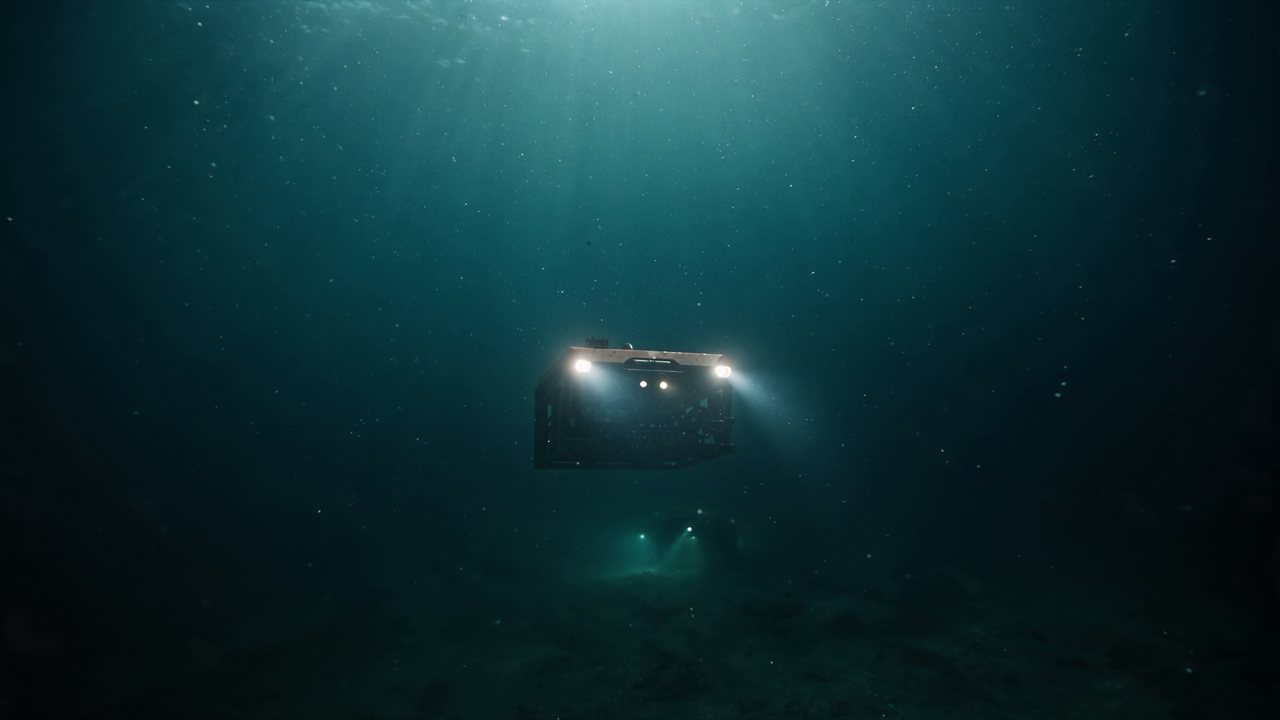
    The approach shot with a faint second pair of lights on the seabed, lower left
    WrongLower left
    The approach shot with the seabed clear
    FixedPainted out
  7. 07

    The wrong vehicle.

    It copied a different vehicle from a mood reference.

    Rule Only one image may show the product.
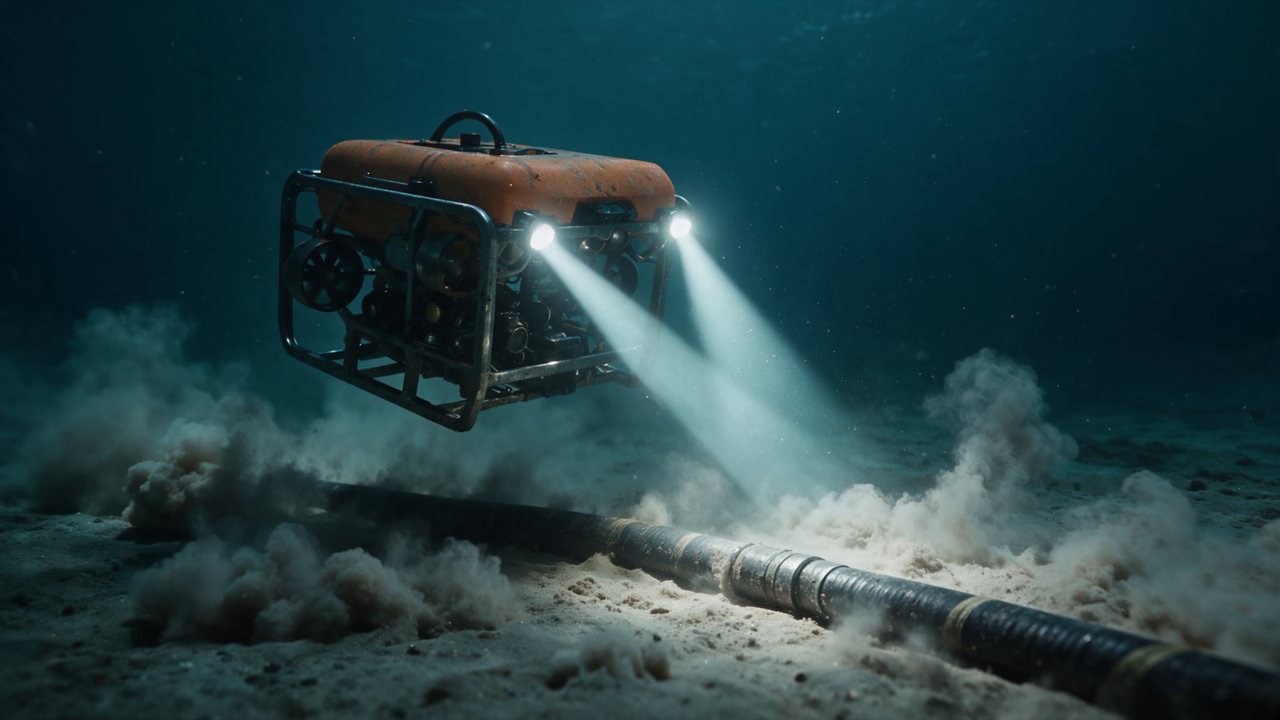
    A different vehicle with a rounded cage over the cable
    WrongCopied vehicle
    Our vehicle over the cable, side-on, silt rising in its lights
    FixedOur vehicle
  8. 08

    The cable wouldn’t lie straight.

    Take after take, the cable ran diagonally across the seabed.

    Rule Fix the reference, not the prompt.
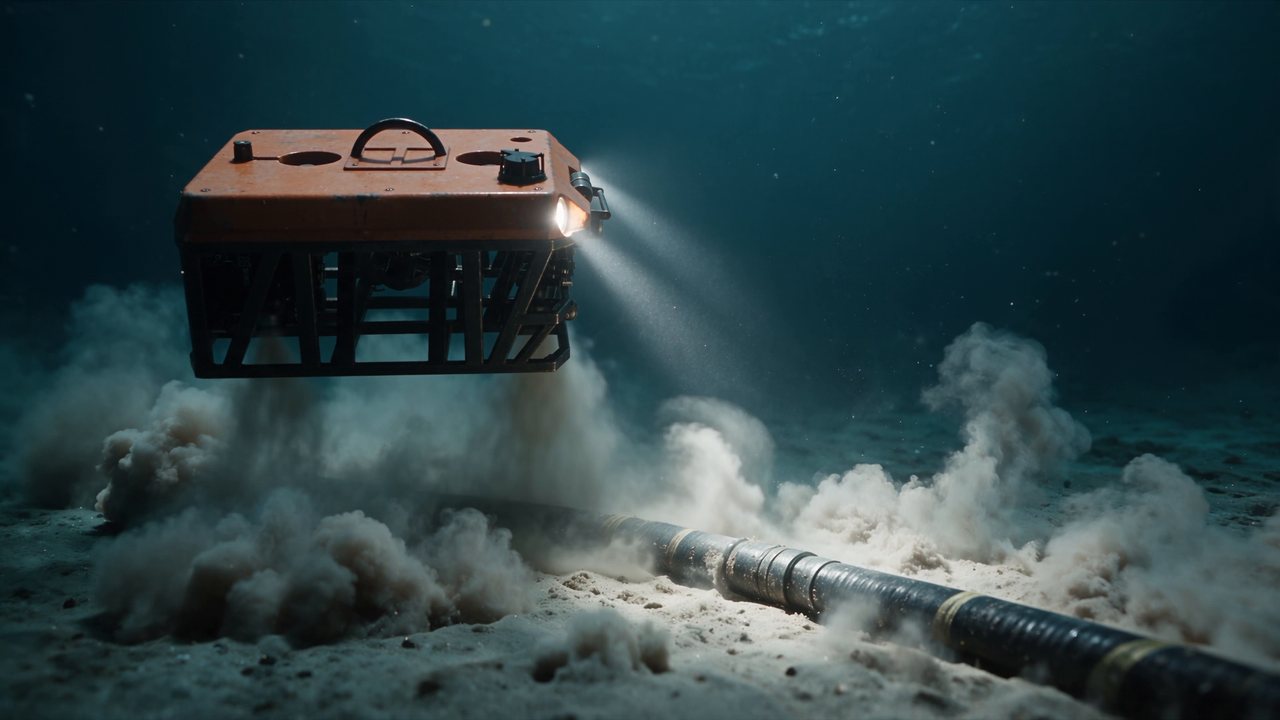
    The vehicle over a cable running diagonally through clouds of silt
    WrongDiagonal cable
    Our vehicle over the cable, side-on, silt rising in its lights
    FixedStraight cable
  9. 09

    The wrong angle.

    A three-quarter view, where our camera is side-on.

    Rule The first frame decides the whole shot.
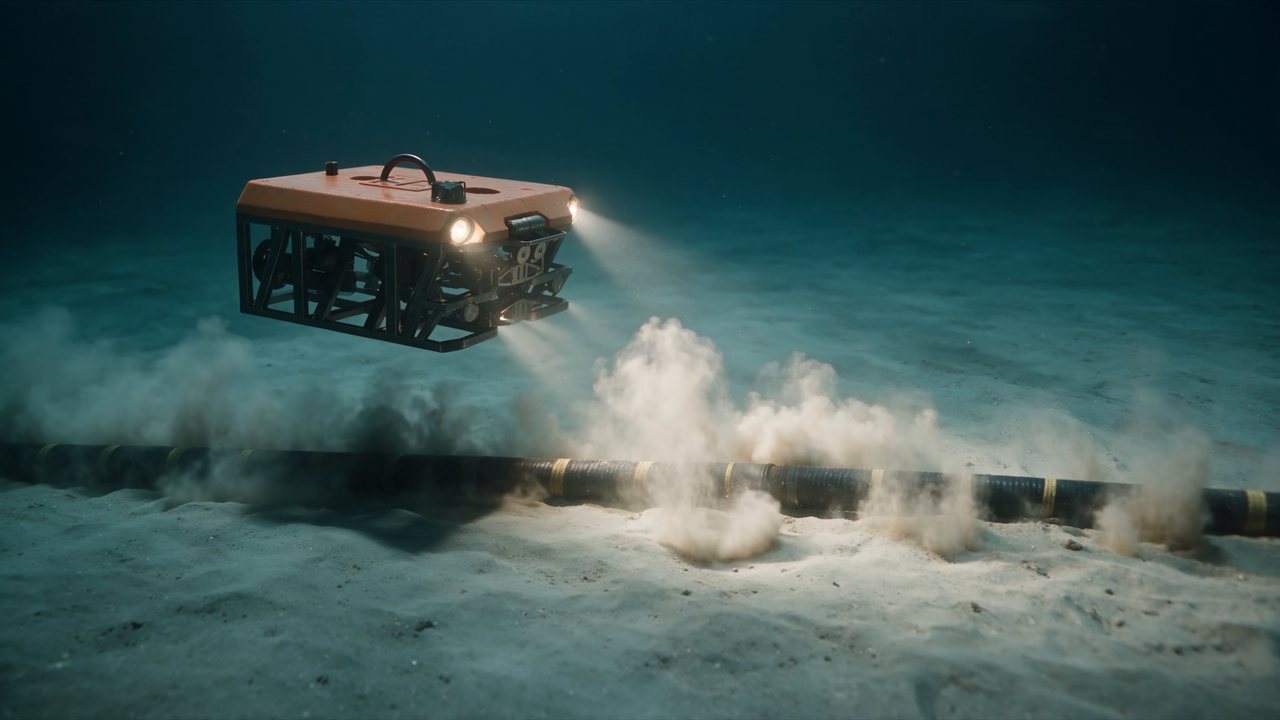
    The vehicle seen at three-quarters over the cable
    WrongThree-quarter
    Our vehicle over the cable, side-on, silt rising in its lights
    FixedSide-on, as planned
  10. 10

    A cable that became a tether.

    The cable rose off the seabed and into the vehicle.

    Rule The first frame is approved before anything moves.
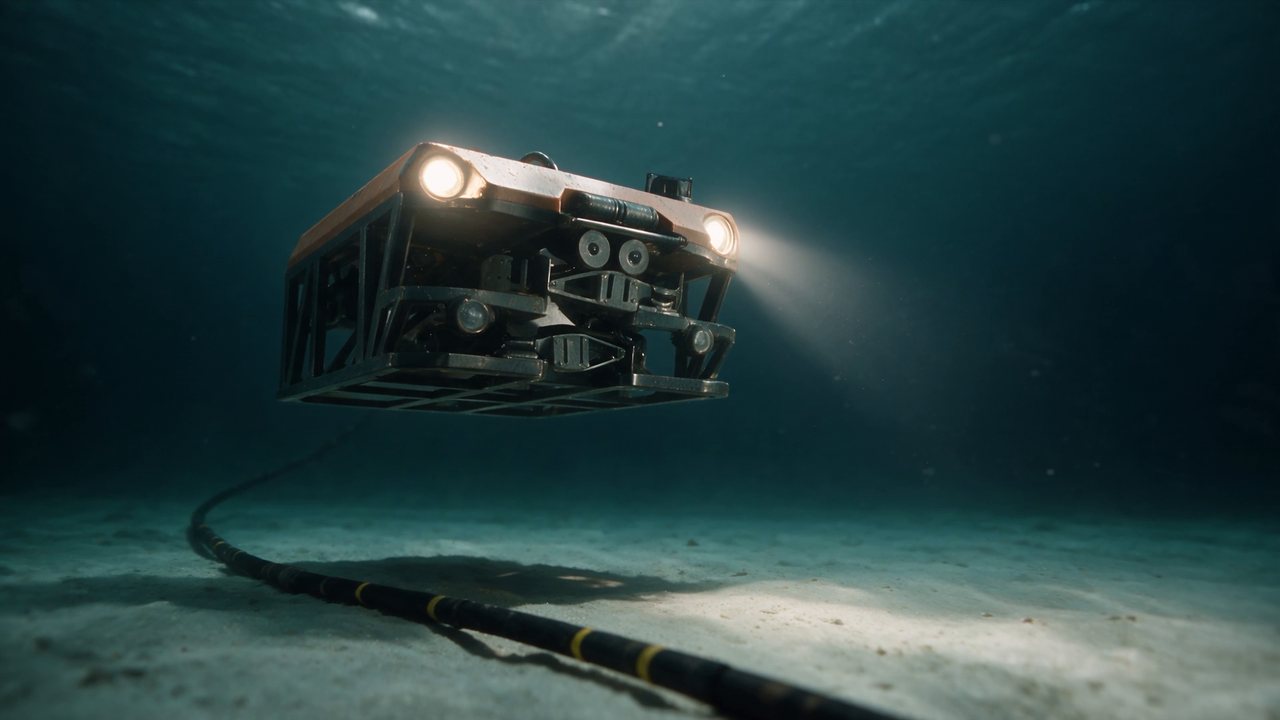
    The cable curving up off the seabed toward the vehicle
    WrongCable rising
    The cable lying on the seabed under the vehicle
    FixedOn the seabed

What it means for you

Your product works where no one sees it. We can show it, at this level.

  1. We start from what you have

    CAD, reports, an hour with the engineer.

    No blank page, no briefing marathon. The facts are already in your files and in your engineers’ heads. We start there.

  2. One master model

    Every film, still and post comes from it.

    The same model drives the film, the product stills and the social cuts. Change it once and everything follows.

  3. Your data stays with us

    Your source data never goes to cloud AI.

    CAD, models and drawings stay on our own machines. Only rendered images of the outside are finished with AI, and only with your sign-off.

  4. Checked and owned

    Your engineers check it. You own it.

    Nothing leaves the building without a human. Every frame and every file lives in a repository your company owns.

Your product has a story like this.

Let’s chat